organic
The 1941 gardening club that owns New Zealand's organic logo
The BioGro sticker on your kiwifruit traces back to a compost club started in 1941. Here is what that organisation publishes now, and whether joining is worth it.
organic certification
There is a number in New Zealand's organic rules that almost nobody outside the sector knows about. It decides which growers get independently checked and which ones are trusted to get it right on their own. That number is up for debate until 22 September, and you can have a say.
bread
BΓΌrgen left New Zealand shelves in August 2026 and the replacement lists went up within a day. Nobody asked who makes the alternatives. Nineteen loaves, two owners, and independent testing that points the opposite way to the nutrition advice.
Beer
France's Malteurop is shutting the Marton malthouse that has supplied around 70% of New Zealand's malt since 1979. Where our beer actually comes from, starting with the number almost every report has misread.
The June wrap. The whole month kept circling one question, what a label actually guarantees, across Weet-Bix, glyphosate, a Central Otago trip, the oils in your pantry, and a closing cup of coffee.
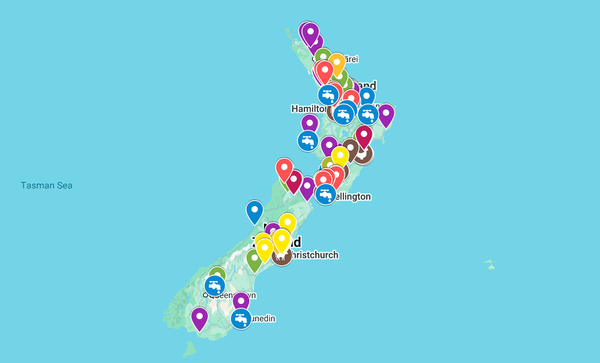
A curated map of 128 places across New Zealand where you can buy food you can actually trust β organic shops, farmers' markets, growers, refilleries, and suppliers worth knowing about. Not crowdsourced. Hand-checked.
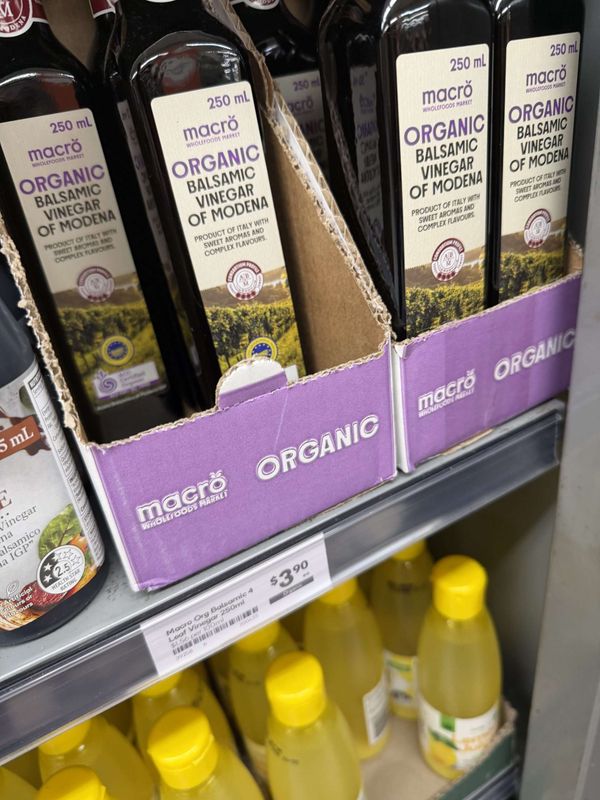
Macro looks like a single organic brand. It's actually an umbrella covering certified-organic, free-range, "wholefoods," and "no artificial" products β only some of which are organic. Here's how to read the difference at the shelf.
New Zealand produces over a billion eggs a year. Fewer than 20 farms produce every certified-organic egg among them. This is a map of what actually exists β and how to find the eggs that match what you're looking for.
Wattie's and McCain are closing. Marsden Point is rubble. The trams are gone. New Zealand keeps dismantling what works β and calling the rebuild progress. This needs to stop.
The word "organic" has no legal protection in New Zealand. Here's what the certification marks actually mean, who issues them, and what sits outside the system entirely.
A new piece most days. Daily investigations into where NZ's food really comes from β sent direct to your inbox.
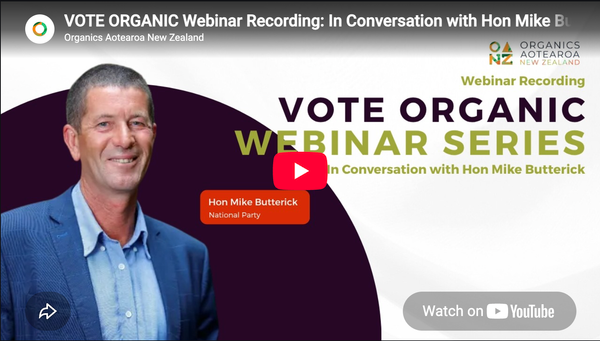
No political party has a policy for growing organics in New Zealand. OANZ took a five-point manifesto to Parliament to change that. I read all six pages: here's what the asks mean at the checkout, and why the coming scorecard is the real story.
Zach Bush spent three hours on Joe Rogan's podcast making a case that chronic disease traces back to one molecule and a broken relationship with soil. Worth sitting with.
A green sign taped to the Woolworths egg shelf says some free-range flocks have moved indoors. It doesn't name a supplier, a brand, a date or an end. Europe caps this at 16 weeks and then the eggs become barn eggs. Organic wrote its own exception. New Zealand wrote nothing at all.
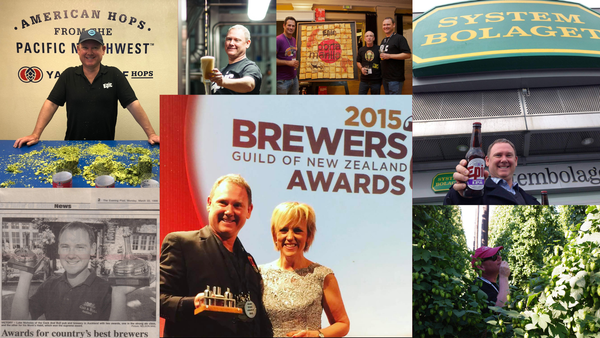
Fair question. Before you trust anything I write about food, you should know who's writing it. Twenty years of brewing, blind hop selection in the Yakima Valley, judging at the World Beer Cup, and a lifetime of asking where things come from. Here's my answer.
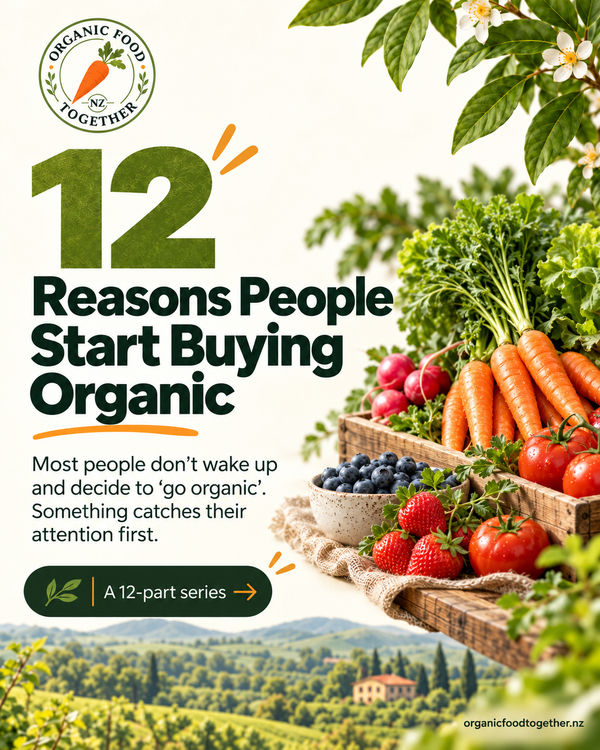
Why do people choose organic food? Sprays, GM feed, soil biology, animal welfare, and the trust underneath it all. An honest run through every reason people pay more, including the weak ones that don't survive the evidence, and what the premium over free range actually buys you in New Zealand.
The obituaries will give you Jurassic Park. Here's what they'll skip: four certified organic vineyards, a BioGro conversion he pushed because he couldn't stomach the herbicide strip, and a final year spent fighting an open-cast gold mine in his neighbourhood.
A reader questioned the Woolworths recommendation in my bacon awards piece. Fair challenge. So I pulled the thread: one farm, a sale almost nobody covered, an anonymous factory, and a cure that burns in the pan. The welfare label is real. It also stops at the farm gate. Here's the rest.
Every winner at the 2026 Bacon and Ham Awards was born and raised in New Zealand. A few are free range, the best welfare you can confirm. But free range tells you how the pig lived, not what it ate, and almost no label answers the feed question. The winners worth buying, and two we left off.
New Zealand sent Italian bees to Niue in the 1960s. Then varroa arrived here and tore through our hives. On the Rock, 2,400km away, the bees stayed clean. Their honey tastes of caramel and malt, comes certified organic in a rum bottle, and carries Peter Gordon's name.
A vending machine on a farm road near Orewa sells something no supermarket in the country can. Certified organic raw milk sits where two rule books barely overlap. Here's what I found when I went looking for who still sells it, what it costs to comply, and the raid that reshaped the market.
The best organic kiwifruit in the world is easier to find in Sacramento than in Tauranga. New Zealand's organic sector just hit $1.18 billion, and most of it leaves the country. Five structural reasons the domestic organic market stalled while the rest of the western world moved on.
A cow gives milk only after she's had a calf. That one fact runs the dairy industry. The yearly pregnancies, the calf taken within a day, the bobby calves killed at four days old, the cow culled young, all of it happens out of sight. Not hidden. Just never said.
Explore the growing Places guide for shops, markets, growers, and suppliers across New Zealand.
Go to PlacesGoogle now lets you choose which sources appear first in your search results β including in AI Overviews. If this work is useful to you, add us as a preferred source, then tick the box next to organicfoodtogether.nz.
The information on this website is based on the best available sources at the time of writing. Food systems, farming practices, and research continue to evolve, and new information may emerge over time. When this happens, content will be reviewed, corrected, and updated where necessary. If you notice anything that may be inaccurate, outdated, or missing, please get in touch so it can be reviewed and improved.