Six Months In: What I've Stopped Buying, and What I Buy Instead
A stocktake before I head away for a couple of weeks. It started with bread, a year before this blog existed, and didn't stop. Here's what I buy now, where I shop, and the one question I keep circling back to.
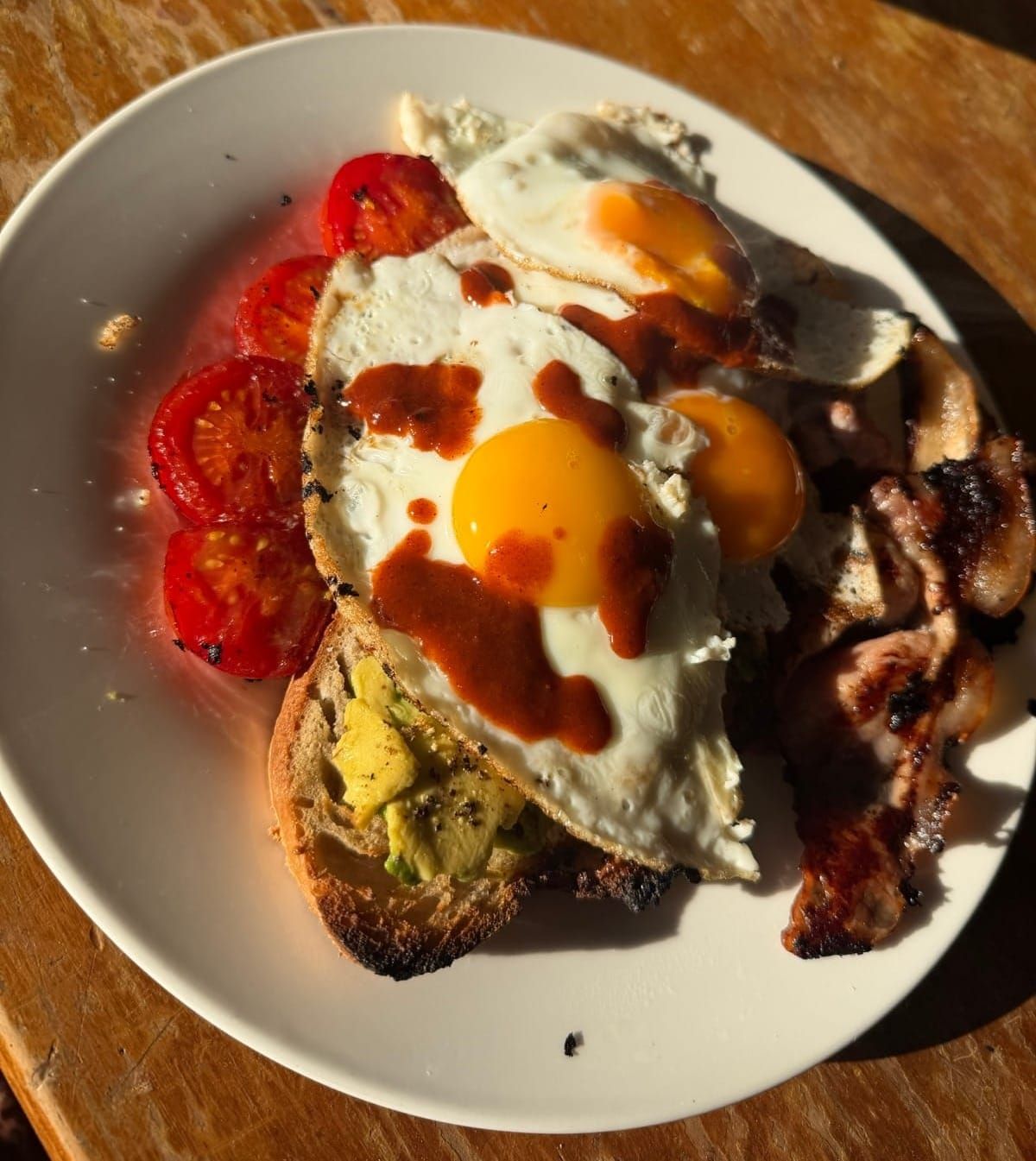
A stocktake before I head away for a couple of weeks — the swaps that six months of digging, and a year or so before that, actually made.
Organic Food Together is six months old. The thing it grew out of is older than that. It started with bread — probably a year before I wrote a single word here.
I'm going to be travelling for the next couple of weeks, so posting here will go quiet for a bit. Rather than leave nothing, I wanted to put down a stocktake: what I've stopped buying, what I buy instead, and the one question I keep circling back to.
It started with bread
The first thing I changed had nothing to do with this blog. I'd worked out that almost all bread in New Zealand now carries added folic acid — it's mandated — and that the only carve-out is organic bread, which is hard to find, patchy in supply, and dear.
So I opted out the long way round. Organic flour first. Then a stone mill. Now organic wheat bought straight from the farmer. Flour, water, salt, time — and I know exactly what's in my bread, because I'm the one who put it there.
That's where the habit started: follow the ingredient back, and if I don't like what I find, find another way in. Everything below came after.
Eggs
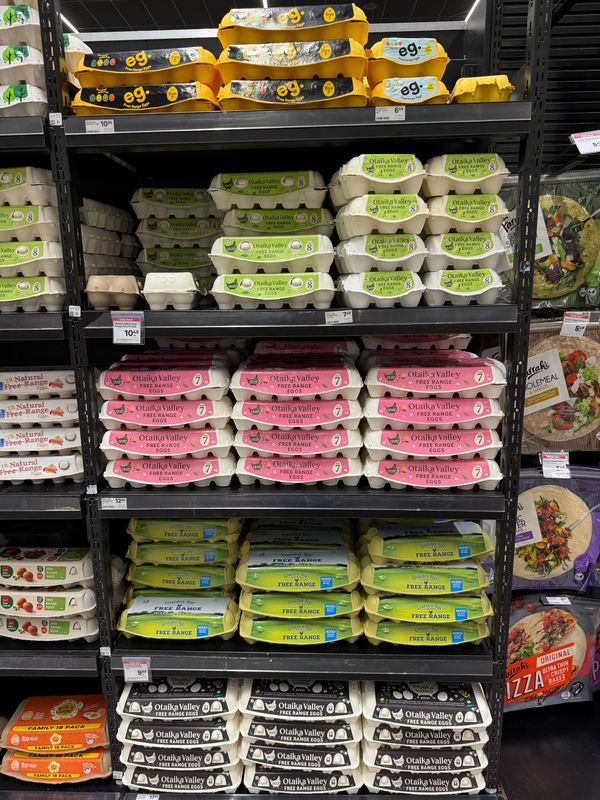
This one reframed how I read every label that came after it. I'd assumed the ladder went cage, then barn, then free-range, then organic — each rung clearly better. But colony and free-range barely differ on the thing that matters most, because they're nearly all eating the same imported GM soy feed. The label tells you about the bird's housing. It says almost nothing about its diet. The real gap — the one I now pay for — opens up at organic.
Where I live, the two I can reliably get are Durham Farms and Pasture Poultry. If I ever saw Olliff on a shelf I'd grab them. That's the list. (There are fewer than twenty farms behind every certified-organic egg in the country — I mapped out where to find them.)
Chicken
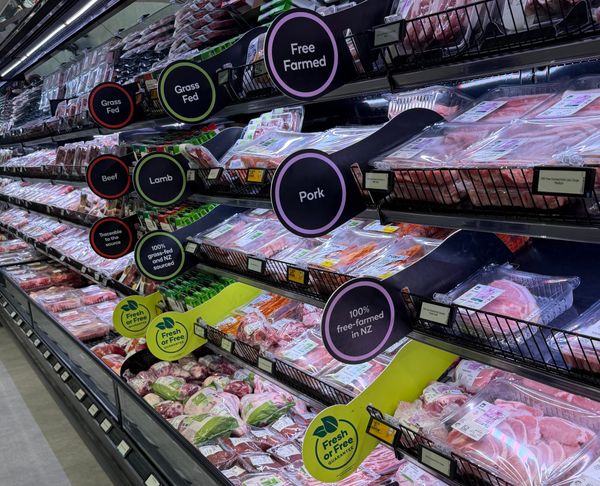
Same first domino as the eggs: GM soy feed. And the part that surprised me is that it isn't a price problem at all. A dearer conventional bird is fed much the same way as the cheap one — and chilled the same way too, in chlorinated water. The more I read about how conventional chicken is raised and processed, the less the brand on the front of the tray seemed to matter.
The only real way out is organic, and for organic there's exactly one supplier in the country: Bostock — the single producer that air-chills instead, so the bird never sits in chlorine. They've since been bought by Inghams, which I sat with for a while before deciding it didn't change the bird in front of me. It's still the best option I've found anywhere in New Zealand, so it's the one I buy.
Butter
An early one. The organic butter shelf here is short. The bottle I land on is Organic Times — an Australian brand, but made in New Zealand from New Zealand milk. Trace the ownership up and the processor behind it, Westland, now sits under the Chinese dairy company Yili — which matters less to me than where the milk and the churn actually are, but it's worth knowing. Woolworths also does an organic option under its Macro house brand. For now I'm buying the NZ organic butter: for everyday organic it does the job, and it's the closest thing to a straightforward choice we've got.
Bacon
I don't eat much of it. The ingredient lists had cooled me on it years ago. But Woody's nitrate-free pulled me back in, and the story behind it turned out to be the good kind — a rescue dog, a farm that nearly went under, real people two ranges away who actually raise the pig. The number that stuck with me while I read: around 80% of the bacon sold here is imported. "New Zealand bacon" often means a pig that never set foot here.
Water
Fluoride is mandated too, and that's where I started digging. But it's not what kept me digging. Chlorine goes into the water to kill the bugs on the way to your house — fair enough — but it's still in the glass when you drink it. So what's it doing to the bugs in your gut?
Then I looked at where Auckland's water actually comes from. About 15 percent of it is drawn from the Waikato River — downstream of farm runoff, and downstream of Hamilton's treated sewage, pharmaceuticals and birth control included, none of which I can find any evidence gets filtered back out before it reaches the tap. I couldn't un-know that one either. I put in a reverse-osmosis filter and started fresh.
The part I keep circling back to
Here's the thing. Every single item above, you can buy cheaper, off the regular shelf, and be completely fine today. None of it is poison. I'm not telling you the supermarket is trying to hurt you.
But that was never the question that got me. The question is the accumulation — the folic acid and the chlorine and the soy and the residues and the dozen things I haven't even reached yet, all of it together, every day, for a lifetime. Nobody is measuring that sum. There's no study that adds it all up and tells you what it does over fifty years, because that study can't really be run. So I've started quietly opting out of the parts I can reach. Not all of them. The ones worth the effort.
Most of that shopping now happens at Commonsense in Mt Eden. Naturally Organic in Albany is excellent but a bit far for a regular run; the Glen Innes branch is closer but doesn't carry the same range. The farmers' markets I still haven't made time for — that's the spring project, and I suspect it'll change my list all over again.
And I want to be honest about one thing: I've got time and an obsessive streak that most people don't. The point was never purity, and it definitely wasn't guilt. It was paying attention, and then changing the few things that turned out to be worth changing.
Before I go — three small asks
This has only ever worked as a two-way thing, so while I'm away, here's what would mean the most.
Sign up to the newsletter. It's free, and it's where everything lands first. If you've been reading without subscribing, consider this the nudge.
Send this to one person. A parent, a flatmate, the friend who's always asking what bread you bake. That's how this has grown the whole way — not algorithms, just people forwarding things to people they cook for.
And write to me. This is the one I care about most. I'd love to come back to a full inbox. Tell me what you've been chewing on — literally and otherwise. What have you found? What do you eat, and what have you quietly stopped buying? What should I be looking into that I've missed completely? Some of the best threads I've pulled this year started as a one-line email from a reader. Just hit reply, or write to me at hello@organicfoodtogether.nz.
There's also a bigger piece I've been building — a close read of what the government's own testing actually found on our food. It needs doing properly rather than rushing, so it's waiting for me when I'm back. Worth the wait, I think.
Until then — go well, eat well, and keep asking where it came from. See you in a couple of weeks.
Luke