Organic Week Challenge
Do The Taste Test.
Buy one organic, one conventional. Same thing. Taste them side by side. Be honest about what you find.
Organic Week Challenge
Buy one organic, one conventional. Same thing. Taste them side by side. Be honest about what you find.
Organic Week Challenge
New Zealanders spend hundreds of millions on supplements every year. But what if those nutrients were just in your food?
Organic Week Challenge
Not the front of the packet — that's marketing. Flip it over. Find the ingredients list. Read every single one.
Organic Week Challenge
Most of us drive past them. We see the signs, we mean to stop, and then we don't. Today that changes.
Organic Week Challenge
Most of us have a trolley that looks the same every week. Did you choose it — or are you just repeating?
Organic Week Challenge
No lectures. No guilt. Just ten questions worth sitting with. The Organic Week Challenge starts tomorrow.

water
Fluoride in your tap water is a medical intervention delivered without consent. Most of Europe said no. New Zealand said yes — by government directive, later found by courts to have inadequately considered the right to refuse medical treatment.

water
What I found when I started researching rural water — and why it matters before you make the move.
water
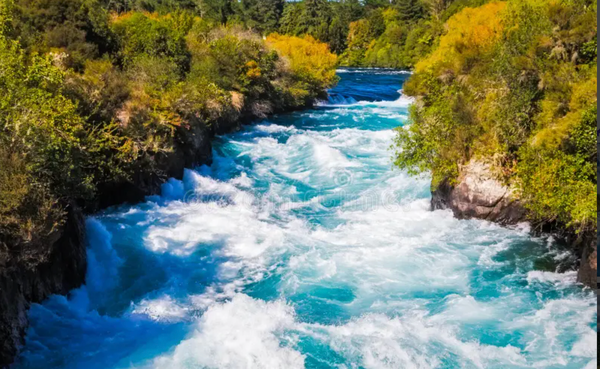
Most Aucklanders assume their water comes from clean bush catchments. About 15 percent comes from the Waikato River — 400 kilometres through dairy farms, geothermal country, and industrial towns. Here's what that means.

food system infrastructure
When the Strait of Hormuz effectively closed in March, it didn't just disrupt oil. A third of the world's fertiliser trade moved through that channel. NZ farming is feeling it.
