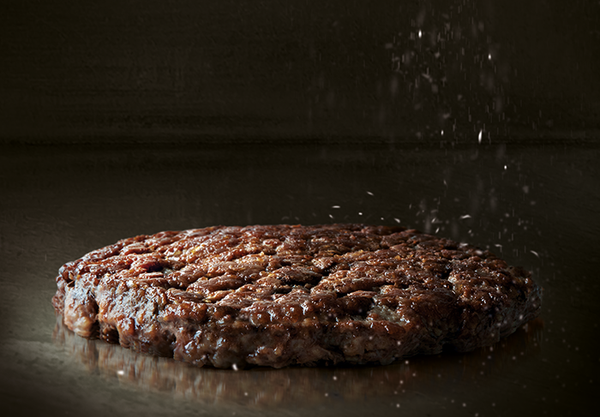
Mangaroa Farms: a regenerative food hub with its own butchery
A regenerative farm and community food hub behind Upper Hutt, gifted into a charitable trust, now grows veg, raises beef and lamb, and butchers its own meat on site. Here's the story, the honest note on certification, and how to shop there.
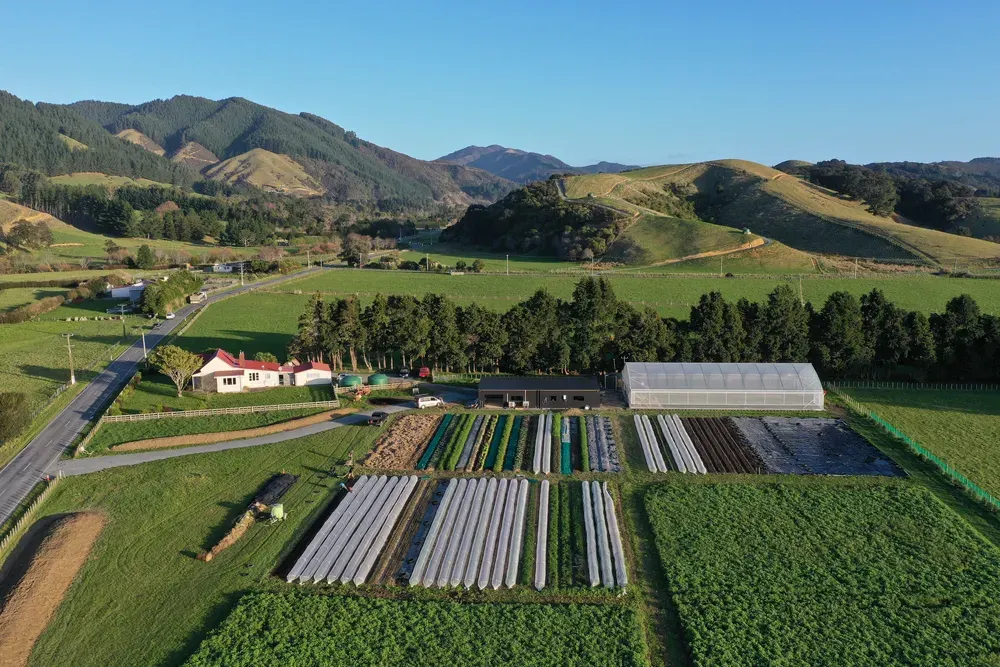
Forty-five minutes from Parliament, up in Whitemans Valley behind Upper Hutt, there's a 2,000-acre farm that grows your veg, raises your meat, and — as of this season — butchers it on site.
Mangaroa Farms calls itself a community food hub and resilience education centre in Te Awa Kairangi, the Hutt Valley water catchment. In plainer terms: a working regenerative farm with a shop attached, where you can buy market-garden vegetables, pasture-raised beef and lamb, eggs, bread and a shelf of local artisan food. And now, with its own butchery up and running, regular fresh cuts rather than the occasional frozen run.
I went looking because of the butchery. I stayed for the rest of it.
Why the butchery matters
Here's the thing about buying meat in New Zealand: the farm that raised the animal usually can't sell it to you by the cut. To do that you need a licensed butchery, and those are scarce and expensive to get into — so most meat disappears into the commodity stream and the thread back to the paddock is lost. When I went looking for local organic lamb, that processing bottleneck was the wall I kept hitting.
Mangaroa has just stepped around it. They've taken over a licensed butchery facility previously run by the McLay family and brought the whole chain — paddock to bench to shop — under one roof.
Who they are
Which raises the obvious question: who is this place?
Mangaroa was started by two American brothers, Matthew and Brian Monahan. They made a fortune in Silicon Valley — they built a genealogy business and sold it to Ancestry.com in 2012 — then moved to the Hutt Valley looking for a way to eat in harmony with nature. Over a decade they bought up a run-down dairy farm, neighbouring lifestyle blocks, a pine forest, even the local 130-year-old church.
Then they gave it away. The entire holding now sits inside a charitable trust, Biome Trust, which wholly owns the farm. Their reasoning, as Matthew explained when the farm featured on Country Calendar, was that the inheritance they wanted for their children was community, healthy food and healthy ecology — not private land.
That structure is the key to the place. Mangaroa isn't a commercial farm chasing margin. It's a nonprofit food hub. Which is exactly why investing in its own butchery makes sense: the point is local food resilience, not markup.
How they farm
The farming is genuinely regenerative, not just labelled that way. The market garden is no-till — beds loosened with a broadfork rather than ploughed, to keep the soil's structure and fungal networks intact. The cattle and sheep are moved through small paddocks on high rotation, grazing hard and briefly so they take the best and trample the rest as mulch, feeding the soil rather than stripping it.
The proof shows up in the ground. In one on-farm test, a conventionally grazed paddock took nearly three minutes to soak up an inch of water. A high-density grazed paddock absorbed the same inch in nine seconds. That's water the land holds onto in a drought and sheds less of in a flood.
Regenerative, not organic — and why that's not the same thing
One thing to be clear about, because it's easily muddled: Mangaroa is regenerative, not certified organic. The two aren't the same.
Organic certification works by banning whole categories of input. Regenerative farming, as practised here, treats inputs as tools — the farm makes its own biological fertiliser and uses a little synthetic nitrogen, sparingly and deliberately, on the principle that nothing is inherently good or bad, only used well or badly. That single choice would rule them out of organic certification on practice alone, paperwork aside.
So this isn't organic without the logo. It's a different model, judged by soil, water and biodiversity rather than a permitted-inputs list. If a certified-organic label is your line, that distinction matters. If pasture-raised, locally grown, fully traceable food from a named valley is what you're after, Mangaroa delivers it.
What the butchery unlocks
Back to the new part. Bringing processing in-house means three things for you as a shopper: regular fresh beef and lamb on the farm shop shelves, rather than occasional frozen runs; nose-to-tail use of each animal; and full or half carcasses (sides) sold direct, which is real value if you've got the freezer space, or know someone who has.
It's run by Jake and Miki Coulston, who manage the farm day to day, with Jake's uncle Rob on the butchery. Locally raised, locally processed, by the people who live there.
How to shop here
The Farm Shop / Kete Kai is at 98 Whitemans Valley Road, Upper Hutt, open Tuesday to Sunday — hours shift a little by day, so it's worth checking before you drive over. There's an honesty fridge outside, restocked daily and open around the clock. That's where you'll find the fresh produce, meat, eggs, bread and local goods.
For vegetables, they also run a weekly vege box around the wider Wellington / Te Awa Kairangi region. Meat can be ordered online for delivery across the North Island — frozen, with a midweek cutoff for same-week delivery — though note they can't currently service rural or South Island addresses. And the butchery's full and half carcass orders go through meat.mangaroa.org.
A fair caveat to end on: this is a model built on deep philanthropic backing. Most farms can't simply gift themselves into a trust and take their time, so Mangaroa isn't a template every producer can copy. But it's a genuinely good place to buy your food — and a working glimpse of what a local food system can look like when someone takes the usual financial pressure off and asks what the land and the community actually need.
Worth the drive over the hill.