"I'm scared to drink RO water" — Remineralise
The bone-leaching fear is unfounded. But once you start asking what RO removes, a bigger question opens up — what's being added to your water supply, where it comes from, and what your filter actually does for you.

There's a fear circulating in health-conscious circles that reverse osmosis water will strip the minerals from your bones. That drinking ultra-pure water is somehow more dangerous than drinking whatever comes out of the tap.
It's worth unpacking. Because the short answer is: no, RO water won't leach minerals from your skeleton. But the longer answer leads somewhere more interesting — and closer to home.
The bone myth, quickly resolved
The claim goes like this: RO water has no minerals in it, so when you drink it, your body compensates by pulling calcium and magnesium from your bones. You end up weaker, more brittle, more prone to fractures.
The mechanism doesn't hold up. Mineral balance in your body is regulated by your kidneys and digestive system, not by the mineral content of your drinking water. Your body doesn't detect a mineral-free drink and immediately begin cannibalising your own tissue.
What is true is that RO removes almost everything. A good system strips out 92–99% of dissolved substances — including calcium, magnesium, and fluoride, but also chlorine, lead, arsenic, PFAS compounds, and a wide range of other things you probably don't want to drink. It doesn't distinguish between what's helpful and what isn't.
The cumulative concern — the one worth taking seriously — is different. It's not that RO water actively harms you. It's that modern life is already mineral-poor. Soils are depleted. Processed food is low in trace minerals. If you're also filtering out the modest mineral contribution from drinking water, and your diet isn't rich in whole foods, you may be running slightly short. Not dramatically. But short.
The people most at risk from low-mineral water are probably those whose diets are also mineral-poor. It's a compounding problem. The water isn't the villain — it's one more domino.
So what do you do?
Remineralise. And it doesn't need to be complicated.
My approach with the benchtop RO unit: a pinch of Celtic sea salt and 1g of magnesium chloride flakes per litre. They're doing different jobs. Celtic salt is unrefined — it retains around 80 trace minerals that refined salt has had removed, including potassium, calcium, and small amounts of magnesium. It's not a meaningful magnesium supplement on its own; a pinch in a litre of water delivers trace amounts, not therapeutic doses. What it does provide is a broad mineral spectrum that refined salt can't offer. The magnesium chloride is where the real magnesium work happens — adding back the mineral most people are deficient in, in a form that research shows is well absorbed from water. Together they take about ten seconds per fill and cost almost nothing. The same approach works for distilled water — the method is identical regardless of how the minerals were removed.
Other options worth knowing about: a remineralisation filter stage, which many RO systems now offer as an additional step that adds minerals back automatically after purification; and mineral drops, which are concentrated trace mineral solutions available from most health food stores — a few drops per litre, no taste, no effort.
Any of these gives you the best of both worlds: filtered water with a mineral profile your body actually uses. Which, if you think about it, is more than most tap water offers.
If you're wondering whether a filter is worth the setup in the first place, I've covered my reasoning in this piece.
What's actually in your town supply
Once you start asking what RO removes, a natural question follows: removes compared to what?
Town water supplies are treated to meet drinking water standards, and by those standards they're considered safe. But two things are typically added in the process.
Chlorine is used to kill micro-organisms including E. coli and campylobacter. This is straightforward public health infrastructure. The trade-off — which I've written about in depth in the chlorine and gut microbiome piece — is that chlorine doesn't distinguish between pathogens and the beneficial bacteria in your digestive system.
Fluoride is added to most town supplies at a controlled target level. It's there, it's intentional, and it's a substance you currently have no ability to opt out of. Fluoride deserves its own piece — the who-decided-this and why-much-of-Europe-came-to-a-different-conclusion thread is worth following properly.
Then there's the source water itself, which varies significantly by region — and the pipe from treatment plant to tap. Aging infrastructure means trace metals, particularly lead and copper, can enter the water after treatment, especially in older homes.
A benchtop RO unit addresses all of this. Chlorine, fluoride, trace metals — removed. What you're left with is exactly the remineralisation question above.
The bigger picture
Most people who ask about RO water are really asking: is this safe? The answer is yes. The more interesting question is whether the alternative — tap water as delivered — is quite what we assume it to be.
What's actually in Auckland's tap water goes into detail on source water, the emerging contaminant picture, and what treatment does and doesn't handle.
This article is part of OFT's water series. Related: Why I bought an RO filter · What's actually in Auckland's tap water · Chlorine and your gut microbiome
 Name *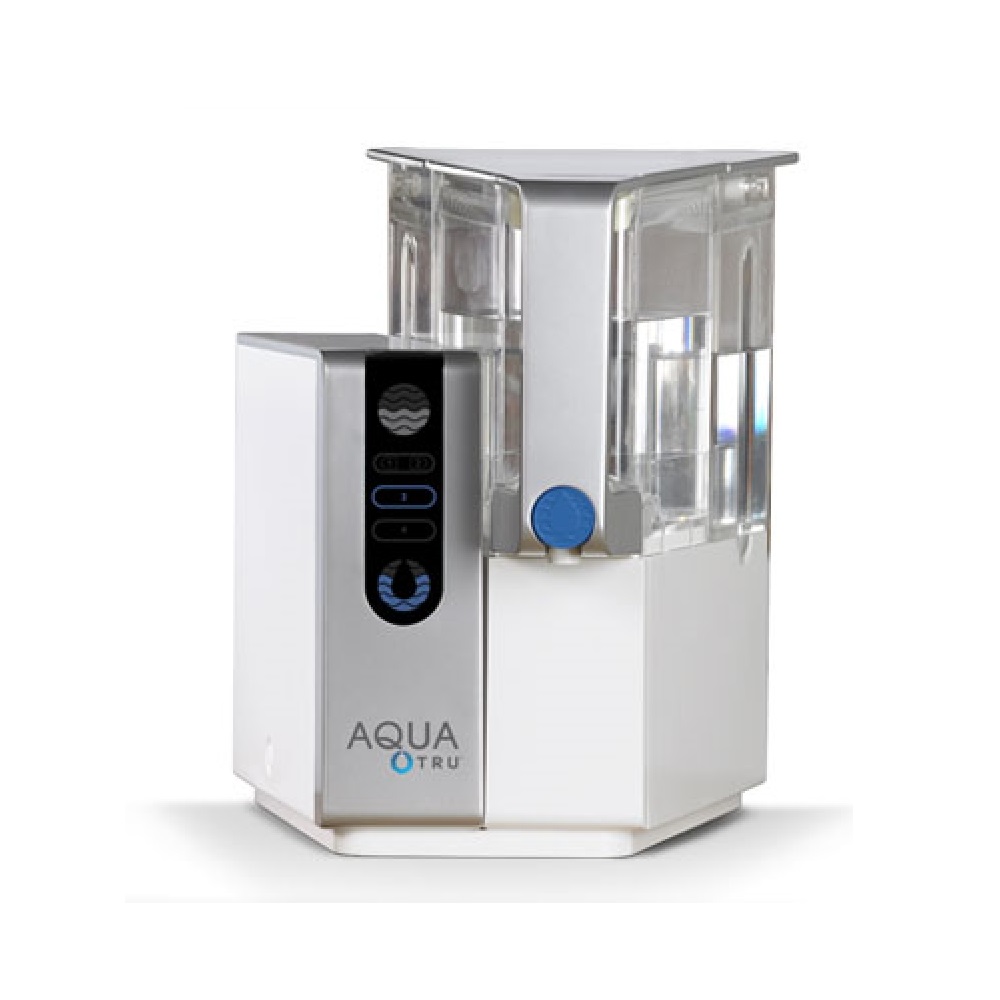
 shazah.sw
 Susan Landis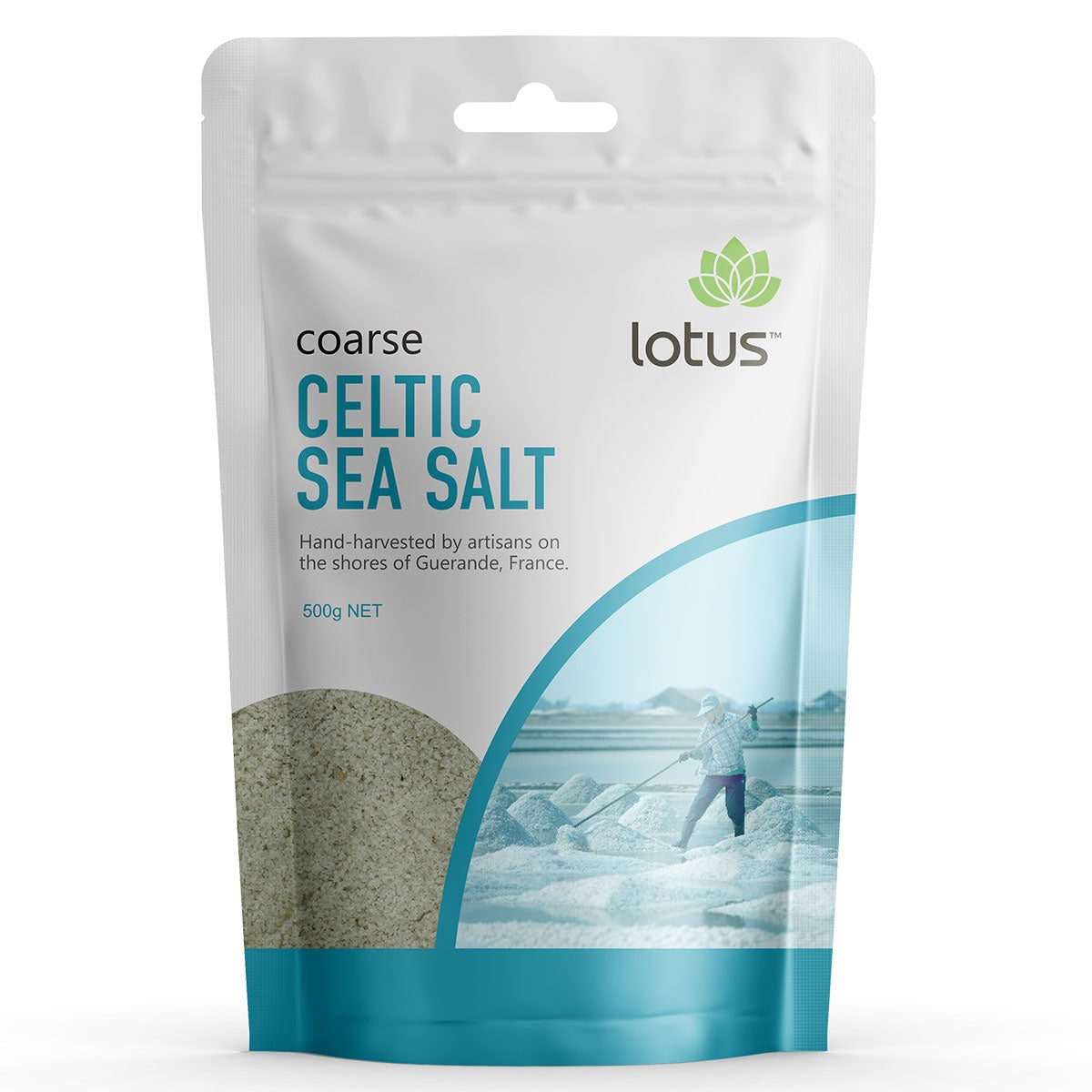
I have no affiliation with these brands or products, they are just what I am currently using, for your information.