Chanel Buys Into NZ's Largest Organic Farm
A French fashion house just bought into a Central Otago high country station. Lammermoor has been certified organic since 2002, produces fine wool for Chanel garments, and runs one of NZ's rarest distilleries. Here's why this deal matters beyond the headline.
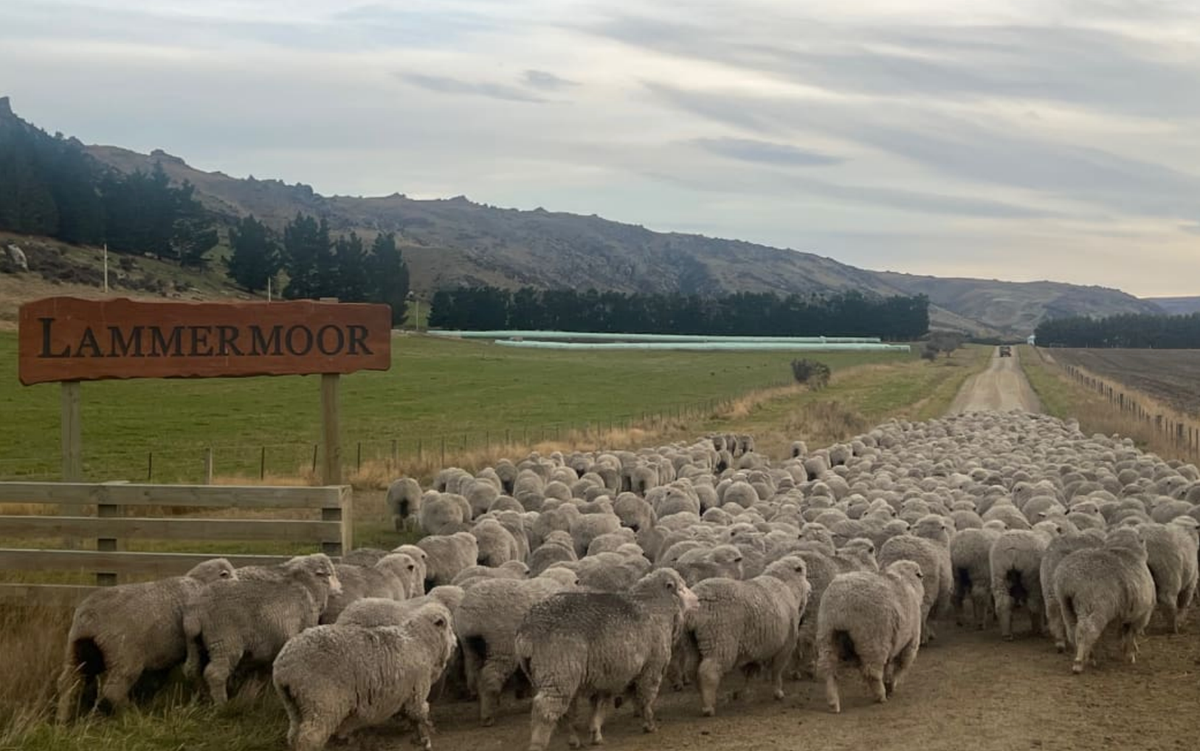
There's a gravel road in Central Otago that takes a while to find. It winds down through tussock high country into the Paerau Valley, past country that feels genuinely remote. At the end of it sits Lammermoor Station — 5,200 hectares of sheep, beef and arable land that the Elliot family have farmed since 1928.
This week, Chanel bought a stake in it.
That detail stopped me for a moment. Not a licensing deal. Not a supply contract. A joint venture — one of the world's most recognisable luxury brands becoming a part-owner of a New Zealand high country farm.
The reason is wool. Lammermoor is the country's largest organic farm and its only certified organic fine wool producer. Chanel has been using that wool in its garments, and apparently decided it wanted something more durable than a supplier relationship. So it invested.
But the more interesting part is what comes next. Chanel's stated goal is to push Lammermoor beyond its current organic certification and achieve Regenerative Organic Certification — ROC. It's a harder standard, combining soil health, animal welfare, and farmer welfare into a single framework. If they get there, Lammermoor would become the world's first ROC-certified fine wool farm.
What the headlines mostly skipped over is what else Lammermoor produces. The Elliots run a distillery on the property — whisky and gin, made from organic barley they grow themselves. Grain to glass, entirely on-site. Only around four percent of distilleries in the world do it that way. With certified organic grain, it's rarer still.
There's a story behind that too. Back in the 1860s gold rush, an illegal moonshiner ran a still hidden in the Lammermoor Range, supplying miners making their way along the Dunstan Trail. John Elliot revived the tradition in 2016 — legally this time — after finding traces of that original operation on the property.
So the same land now produces organic fine wool for a Paris fashion house and organic whisky for anyone who makes the drive out. The same certified soil, the same family, the same commitment to doing it properly.
What strikes me about this story is how it answers a question the organic world often struggles to answer: what's the actual return on doing things right? The Elliots converted to organic in 2002. Over twenty years of farming a different way — building soil health, accepting the discipline of certification, forgoing synthetic shortcuts. Chanel didn't come knocking by accident. It came because something rare had been built.
The certification didn't just open a premium market. It attracted capital — serious capital, with serious intent to go further.
That's a different kind of proof of concept.
Want to explore further? The Otago Daily Times and NZ Herald both have good coverage of the investment angle.