bread
The real cost of a loaf of bread
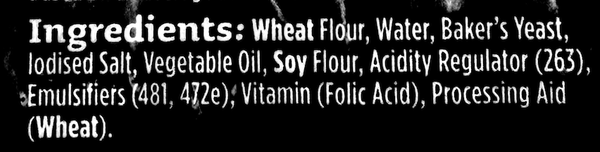
Non-organic bread flour in New Zealand has been fortified with folic acid since 2023. So I bought a mill. Then I worked out what a home loaf actually costs against the supermarket, and the answer surprised me.
bread
Non-organic bread flour in New Zealand has been fortified with folic acid since 2023. So I bought a mill. Then I worked out what a home loaf actually costs against the supermarket, and the answer surprised me.
food labelling
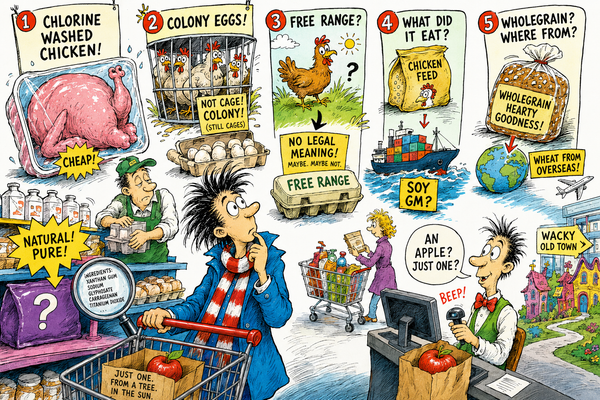
I went to the shop on a Wednesday at three, and the very first thing that was wacky to me was a chicken, all pink, wrapped in plastic and bright, that had bathed in some chlorine to keep it just right. A homage to a certain Wednesday book — and five wacky things hiding in plain sight.
glyphosate
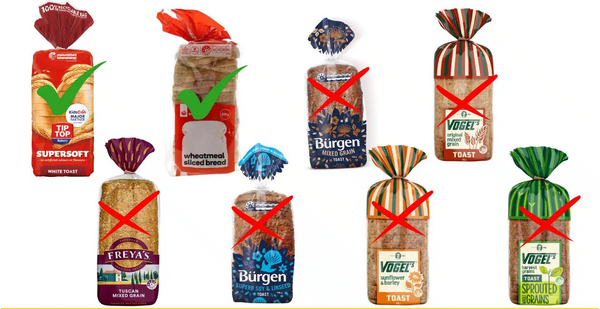
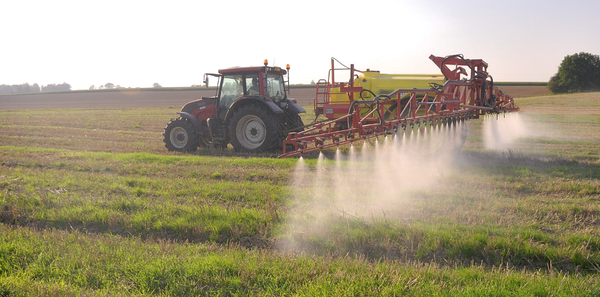
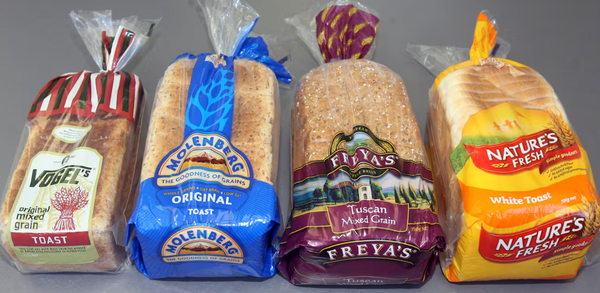
April 2026 testing found glyphosate in six of eight supermarket breads — highest in the wholegrain and seed-heavy loaves many of us choose for health. But the real story is what those everyday exposures may be doing to your gut bacteria.
bread
Industrial white bread isn’t poison, but it’s engineered for shelf life, not long-term health. Refined flour and low fibre can affect blood sugar and gut diversity over time. Here’s how whole-grain, long-fermented sourdough compares — and what parents should look for on the label.
bread
Gluten often gets blamed for digestive issues, but some questions point elsewhere. Modern wheat may carry residues such as glyphosate used before harvest, along with other processing changes. For some people, the problem may not be gluten alone, but the broader system around it.
bread
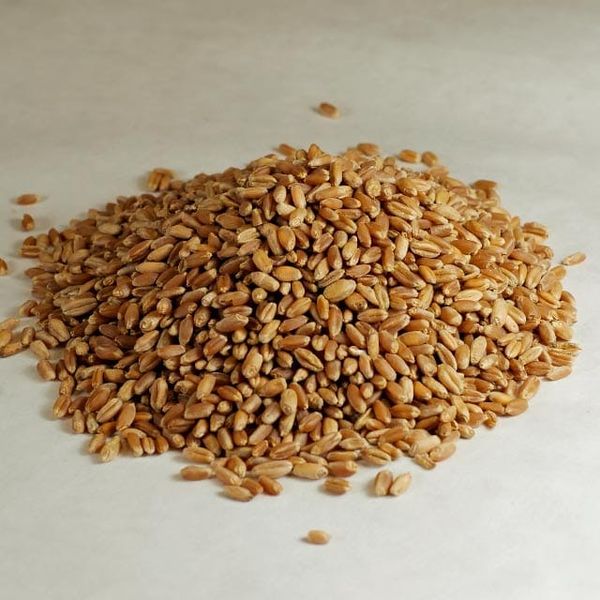
Buying a grain mill changed how I think about wheat. I learned that locally grown, truly whole grains are rare in New Zealand, supply chains are opaque, and many flours are imported or highly processed. Milling your own reconnects you with real grain quality and origin.
bread
In NZ many commercial breads and flours are fortified with synthetic folic acid. While intended to prevent deficiency, this added nutrient has sparked debate among some consumers and health advocates who question whether population-wide fortification is necessary or appropriate.
bread
Buying organic wheat grain for home milling means checking origin, variety and certification. NZ options can be limited, so look for true organic growers, transparent supply chains and 100% whole grain. Home milling gives fresher flour and full-nutrition grain.
folic acid
Synthetic folic acid is added to NZ bread and flour to prevent neural tube defects, but it isn’t the same as natural folates. The policy reduces deficiency risks, yet critics question blanket fortification and possible unintended metabolic effects.
bread
Finding real organic bread flour in New Zealand takes effort. Supply is limited, origin isn’t always obvious, and tracing where wheat is grown and milled requires asking direct questions. Milling your own grain changes that relationship entirely.
bread
Folic acid is added to bread in New Zealand to reduce the risk of neural tube defects in newborns. It’s a public health fortification policy that aims to improve population folate levels, though some people debate whether universal addition is the best approach.
Explore the growing Places guide for shops, markets, growers, and suppliers across New Zealand.
Go to PlacesGoogle now lets you choose which sources appear first in your search results — including in AI Overviews. If this work is useful to you, add us as a preferred source, then tick the box next to organicfoodtogether.nz.
The information on this website is based on the best available sources at the time of writing. Food systems, farming practices, and research continue to evolve, and new information may emerge over time. When this happens, content will be reviewed, corrected, and updated where necessary. If you notice anything that may be inaccurate, outdated, or missing, please get in touch so it can be reviewed and improved.