Three Months In. Here's What We've Been Finding.
It started with one exceptional strawberry. Three months later: fragile processing capacity, hidden supply chains, and quiet resilience in NZ's food system.
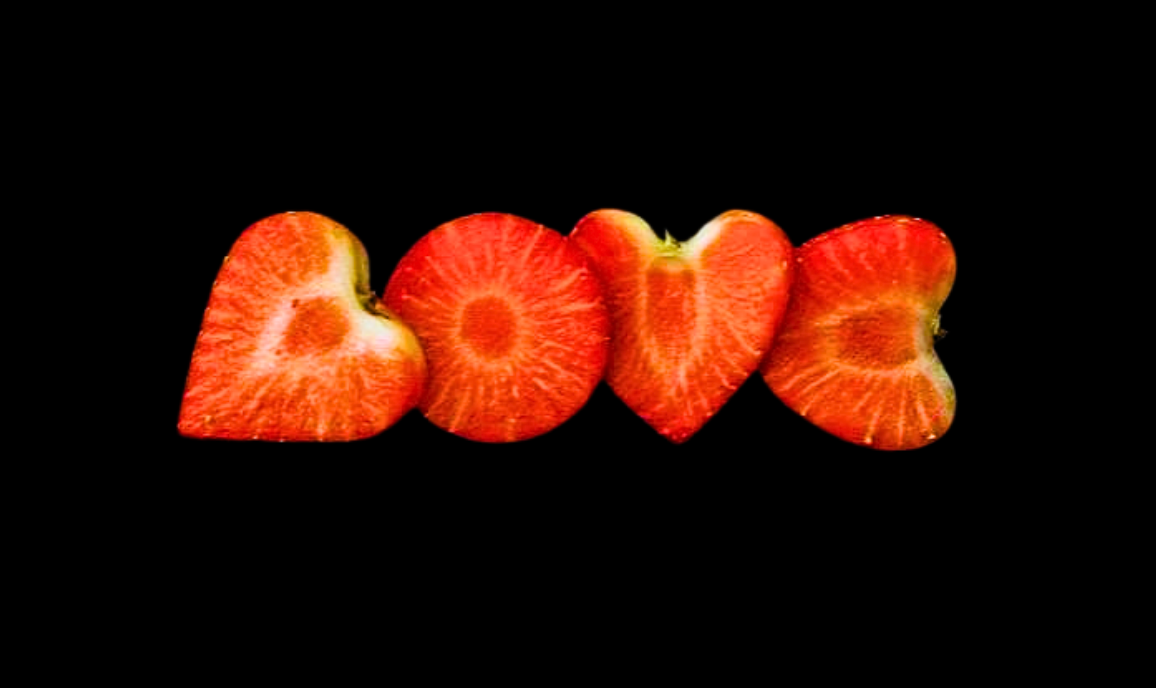
This site started with a strawberry.
Not a metaphor. An actual strawberry, grown organically by Peter Robson, eaten at Christmas. It was the best piece of fruit I'd had in years. And it led to a question I couldn't shake: why does food grown this way taste so different? Where does it actually come from? And why is it so hard to find?
That question is what Organic Food Together is built around. Not preaching. Not a shopping guide dressed up as journalism. Just honest curiosity about where food comes from in New Zealand — and what's really going on underneath the labels.
Three months in, here's what the digging has turned up.
The system is quieter than you think — and more fragile.
One of the first big stories involved Heinz Wattie's confirmed factory closures across Auckland, Christchurch, Dunedin, and frozen packing lines in Hastings, alongside McCain's planned closure of its Hastings vegetable processing plant by early 2027. On the surface these looked like corporate restructures driven by high manufacturing costs. Pull the thread and something more unsettling appears: the decisions shaping what food gets processed in New Zealand are increasingly made offshore by multinational corporations — the same ones your KiwiSaver might hold shares in. That's not conspiracy. It's just how modern food systems work. Most Kiwis haven't looked at it this closely before.
Combined, these moves put local processing capacity for 86,000 tonnes of vegetables at risk — roughly one serving of vegetables per dinner, every day of the year, for three million New Zealanders. Supermarket shelves may not look different overnight. But the food behind them increasingly will.
The organic sector is small, premium — and under its own pressures.
Organic milk is still well under one percent of New Zealand's total dairy volume, yet it's forecasting a record payout. That's telling. Is it the start of a structural shift toward high-value regenerative systems? Or a vulnerable niche that could unravel if New Zealand's GE-free status erodes? For organic farmers, that second question is live. Certification integrity, export premiums, and consumer trust all rest on the clean-green foundation. Contamination risks and loss of differentiation aren't abstract concerns — they're at the centre of ongoing policy debates right now.
The everyday stuff is more complicated than it looks.
Eggs are one of the clearest test cases. The carton tells you almost nothing useful about feed, farming systems, or welfare. Farmer Brown — New Zealand's largest egg producer — is a vertically integrated agribusiness accounting for roughly a third of the country's eggs. The golden yolk comes down to feed formulation, not farming romance. Certified organic eggs come from a genuinely different system: meaningful outdoor access, organic feed, seasonal rhythms. The shells look identical on the shelf. The stories do not.
Apply the same lens to butter, milk, flour, bread, or meat. Each has a supply chain with more moving parts than the label suggests. We've been working through them one by one.
There are people quietly building something better.
This part doesn't make the news. Food Secure North Canterbury mapping the regional food system. CSA schemes connecting households directly to farms. Farmers transitioning to organic and finding, often to their own surprise, that the numbers improve. And Huckleberry Farms — which built something genuinely remarkable over thirty years as an organic grocer before closing in 2024 — a reminder of how hard it is to sustain alternatives in a concentrated retail landscape, and a question about what comes next.
The organic food is out there. Finding it is still the hard part.
If you're new here, the best place to start is the Start Here page. Or just keep reading — the map is growing, the guides are expanding, and there's a lot more still to uncover.