The Organic Food Is Out There. Finding It Is the Hard Part.
I started by turning over a butter packet. I ended up discovering a patchwork of farms, collectives, butcheries, and stores quietly trying to solve one of organic food's most stubborn problems — how do you get good food from a small farm to the people who actually want it?
It started with butter.
I buy Organic Times butter regularly. It's easy to find, reasonably priced, and certified organic. But one day I found myself turning the packet over and asking a question I'd never thought to ask before: who actually made this?
The wrapper said the brand was Australian. But it also said produced in New Zealand. So I started digging. What I found was a contract manufacturing arrangement running through a company called Canary Foods, now part of Westland Milk Products, itself owned by a large Chinese dairy conglomerate. The butter is genuinely organic and genuinely made in New Zealand. But there is no farmer. No face. No paddock you can picture.
I wrote about that in an earlier post. But the question it left me with was bigger than butter.
If I can't easily find out who grows my organic food, how does anyone?
The problem underneath
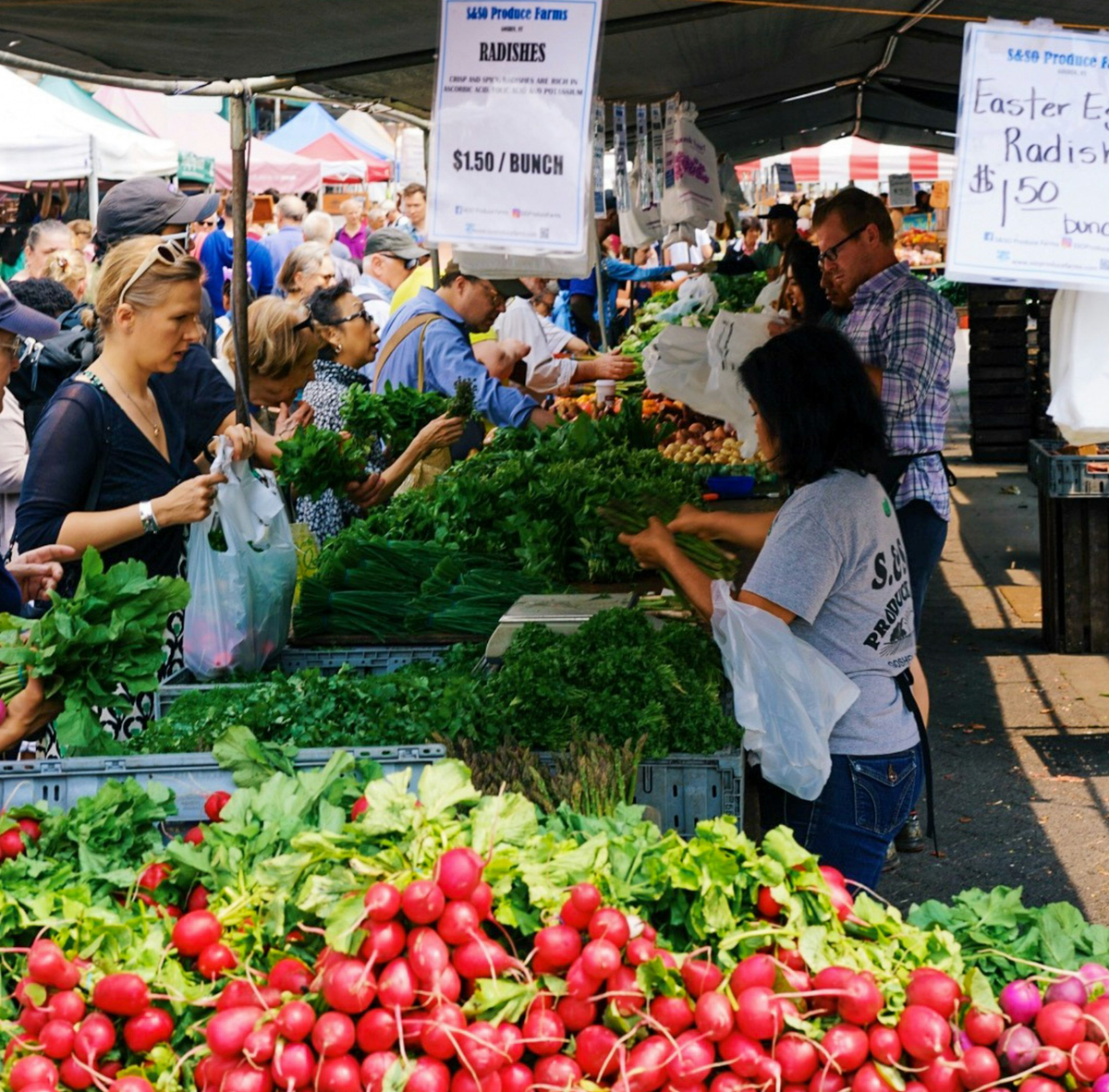
Small organic farms are, almost by definition, small. That's partly the point. Organic farming is labour-intensive, rotation-dependent, and resistant to the kind of scale that conventional agriculture runs on. A single organic market garden might produce beautifully — but not enough of any one thing, week after week, to supply anyone reliably.
And reliability is everything. Retailers need to know the carrots will be there next Tuesday. Consumers build habits around products they can count on. One gap in supply and the relationship breaks.
So the small organic farmer faces a structural problem that has nothing to do with the quality of what they grow. They can farm brilliantly and still be unreachable to most of the people who would want to buy from them.
The Japanese have a concept for the relationship they believe should exist between a farmer and the person eating their food. Teikei — roughly translated as partnership — is built on the idea that food should carry the face of the person who grew it. Accountability made visible. You know who grew it. They know who's eating it.
Most of the organic food system works nothing like that. Most of it works like my butter packet. A brand, a label, and somewhere behind it, a supply chain you'd need to spend an afternoon researching to understand.
But people are working on this. In different ways, in different parts of the country, with different pieces of the puzzle. What follows is what I've found so far.
Aggregate the farms
We Are Little Farms showed up on my Instagram feed and I went to have a look.
Based in the Wairarapa, they work with ten farms — a mix of BioGro certified organic, Hua Parakore certified, and spray-free growers — to put together weekly vegetable boxes for subscribers. What caught my attention was the farm page on their website. They name every farm. Vagabond Vege in Greytown, Te Manaia Organics in Masterton, Bella Olea, Four Corners Organic, and others. On the shop page, they tell you which farm each product comes from.
That's about as close to Teikei as I've seen in a NZ online store.
The model makes sense once you think about it. No single one of those ten farms could guarantee you a full vegetable box every week through every season. Together, they can. We Are Little Farms becomes the connective tissue — turning ten small, variable harvests into something a subscriber can rely on. The farms stay small. The supply becomes consistent. Both things are true at once.
The Organic Farm Butchery is doing something similar with meat. Nine certified organic farms spread across Hawke's Bay, Manawatū, Whanganui, and Taranaki — some certified since the 1980s — supply a single butchery brand that sells direct to consumers and through stockists. The presentation is different to We Are Little Farms. This is a unified brand rather than a named farm network. But the farms are listed, the certifications are documented, and the underlying logic is the same.
The butchery model adds something extra. Processing is one of the biggest barriers for small meat producers — access to an abattoir, handling, packaging. By taking that on centrally, The Organic Farm Butchery removes a problem that stops a lot of small farms from reaching consumers at all. The aggregation happens at the farm gate. The consumer sees a single coherent brand.
Two different approaches to the same core problem. Pool the supply, create the consistency, make it possible for small farms to reach people who would never find them individually.
Build the stores
Commonsense Organics has been solving a different piece of the puzzle for decades.
Where the farm collectives work at the production end — aggregating supply before it reaches the consumer — Commonsense works at the retail end. Stores across Wellington and Auckland where you can walk in and reliably find organic produce, groceries, and products from small NZ producers. They grow some of what they sell themselves. They source the rest. The model is less about making individual farms visible and more about making organic food consistently findable for people who haven't got time to seek it out.
That retail layer matters more than it might seem. Huckleberry Farms held a version of it together for thirty years across Auckland — a physical network where small organic producers had a reliable buyer and consumers had a reliable source. When it closed in June 2024, that layer disappeared. The gap it left is still felt.
Commonsense is one of the few remaining examples of organic retail infrastructure at any real scale in New Zealand. The farms and the collectives can do everything right at the production end, but without somewhere to buy it, the connection still doesn't complete.
Make it visible
There's a fourth piece, which I'll admit I have a personal interest in.
Even when the farms are farming, the collectives are aggregating, and the stores are stocking — finding any of it is still genuinely hard. You can care about organic food, want to buy it, and have no idea that We Are Little Farms exists or that there are nine certified organic farms behind your lamb chops. The supply is there. The demand is there. The gap between them is often just visibility.
That's what this site is trying to close. Not growing anything, not selling anything. Just mapping what exists and making it a little easier to find.
It's infrastructure too. Just a different kind.
What I've described here is a patchwork, not a system. These businesses aren't coordinated. They've each found their own answer to the same stubborn question: how do you get good food from small farms to the people who want it, reliably, week after week?
The honest answer is that nobody has fully solved it. Huckleberry tried for thirty years and couldn't make it work at scale. The collectives are small. The retail infrastructure is thin. Discovery is still mostly word of mouth and Instagram and people like me turning over butter packets in supermarket aisles.
But the pieces are there. And the more I look, the more I find people quietly, stubbornly working on them.
I haven't visited these farms or spoken to the people running these businesses — this is what I've found from publicly available sources, and I'll update it as I learn more. If you know of other examples worth adding to this picture, I'd genuinely like to hear about them.