The Quiet Collapse Behind New Zealand’s Frozen Vegetables
McCain’s Hastings closure and Wattie’s frozen vegetable retreat put at risk local processing capacity tied to roughly 86,000 tonnes of vegetables a year, enough for all five daily vegetable servings for around 589,000 people.

McCain Foods will close its Hastings vegetable processing plant by January 2027. The Omahu Road facility in Twyford has handled more than 50,000 tonnes of vegetables a year, including peas, beans, sweet corn, carrots and more, grown across Hawke’s Bay and surrounding districts. Existing contracts will be honoured through the current season. After that, the company will shift sourcing to supply partners elsewhere in its Australia-New Zealand network.
Federated Farmers Hawke’s Bay president Jim Galloway called the impact “massive.” Growers who have invested in land, specialised equipment, irrigation and crop rotations tailored to these contracts now face uncertain futures. Without a local processor, many crops risk long, costly transport, or no viable buyer at all. Galloway also pointed to pressure from offshore subsidies.
This is not a standalone story. Only weeks earlier, Heinz Wattie’s proposed exiting frozen vegetable production in New Zealand. The move would affect around 220 growers in Canterbury alone, who produce roughly 36,000 tonnes of peas annually, along with associated impacts on other vegetables and packing lines in Hastings and elsewhere. About 350 roles across multiple sites are also at risk.
Together, these two developments put at risk local processing capacity tied to roughly 86,000 tonnes of vegetables a year.
What 86,000 Tonnes Actually Means
Strip away the corporate language and the number becomes easier to feel.
The processing capacity now put at risk is linked to roughly 86,000 tonnes of vegetables a year. In human terms, that is enough to provide the equivalent of all five daily vegetable servings for around 589,000 people for a full year.
Or put another way, it is enough for one daily vegetable serving for nearly 3 million people. More than half the country.
This is not a minor industrial reshuffle. It is a meaningful weakening of the infrastructure that helps turn local harvests into local food that actually reaches New Zealand dinner plates.
Why Processing Matters as Much as Production
Growing food is only half the equation. Fresh vegetables are highly perishable. To make them available year-round in convenient, affordable, shelf-stable forms, frozen, canned or packed, they need washing, grading, blanching, freezing or canning, and efficient distribution at scale.
Processing plants are the critical bridge between paddock and plate.
When that bridge disappears locally:
- Growers become stranded. Specialised machinery sits idle. Crop rotations that once made economic sense break down.
- Transport distances lengthen, raising costs, fuel use, spoilage risk and emissions.
- Scale economies erode. Distant or smaller facilities may reject volumes or specific varieties that were once viable, triggering a downward spiral: less grown, less processed, less reason to keep the infrastructure alive.
“We still grow food here” sounds reassuring until you realise the value-adding steps that capture more of the economic benefit and help keep food systems resilient are quietly moving offshore.
The Quiet Redesign of the National Pantry
These closures accelerate a shift toward longer, more complex supply chains. Imported frozen vegetables, often from countries with different cost structures, labour regimes or subsidy settings, step in to fill supermarket freezers. Shoppers may notice little immediate difference in price or availability, but the resilience of the food system changes.
Key considerations include:
- Supply shocks: Global disruptions such as pandemics, trade tensions or climate events elsewhere can tighten imported supplies. Local processing provides a practical buffer.
- Seasonality and regional strengths: Domestic infrastructure supports New Zealand’s harvest timing and varieties suited to local conditions.
- Economic circulation: Processing wages, technical expertise, logistics jobs and regional economic activity circulate within communities rather than leaking offshore.
- Total sustainability: Longer transport adds emissions, but the full picture also includes water use, pesticide profiles, soil health and energy inputs across the entire chain. Local grow-process-consume systems can sometimes produce better overall outcomes when all factors are counted.
Corporate realities are real: high domestic energy and labour costs, tight supermarket margins, consumer demand for lower prices, and the efficiencies of centralised production across the Tasman. From a single-company spreadsheet view, consolidation can look logical. From a national food-systems view, the cumulative effect risks de-skilling the sector, reducing options for future growers, and quietly redesigning what ends up in the New Zealand pantry.
Organic and regenerative producers are not insulated either. Many still rely on shared infrastructure for scale, even when they sell through direct or premium channels. A thinner processing ecosystem can raise costs or reduce outlets for surplus and second-grade produce that still has full nutritional value.
Toward a More Complete Conversation
This is not a call for nostalgia or blanket protectionism. It is a recognition that food systems are interdependent. Production without reliable local processing is like growing timber without sawmills. You export the raw resource and import the finished product.
Questions worth asking include:
- What policy, infrastructure or collaboration settings could help viable local processing survive without distorting markets?
- How can growers, processors, retailers and government share risk more intelligently across the value chain?
- Are there opportunities in premium, traceable or minimally processed local lines that match growing consumer interest in provenance and resilience?
- What role should food sovereignty and domestic resilience play alongside New Zealand’s export ambitions?
For anyone trying to keep more of New Zealand’s harvest feeding New Zealanders in recognisable, high-integrity forms, these developments are a clear signal.
Local food gets harder to keep local when the infrastructure that connects field to fork erodes.
The paddocks can still dance, but they need reliable partners. When processing capacity shrinks, the music changes, and the rhythm of regional food economies shifts with it.
 RNZ News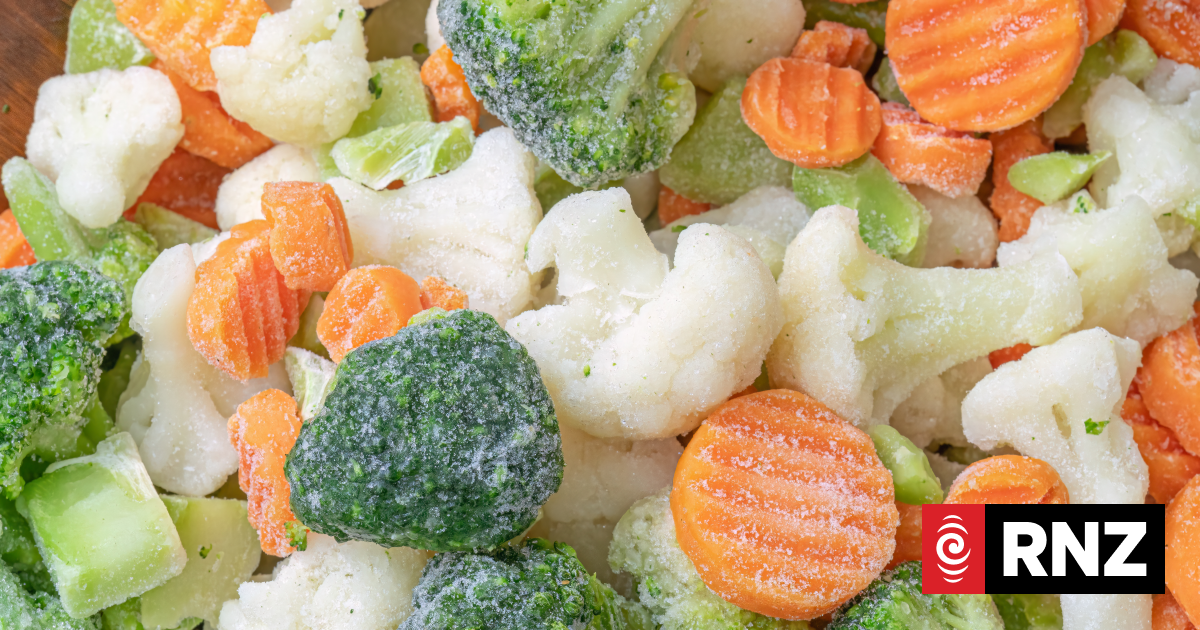
 Jack Riddell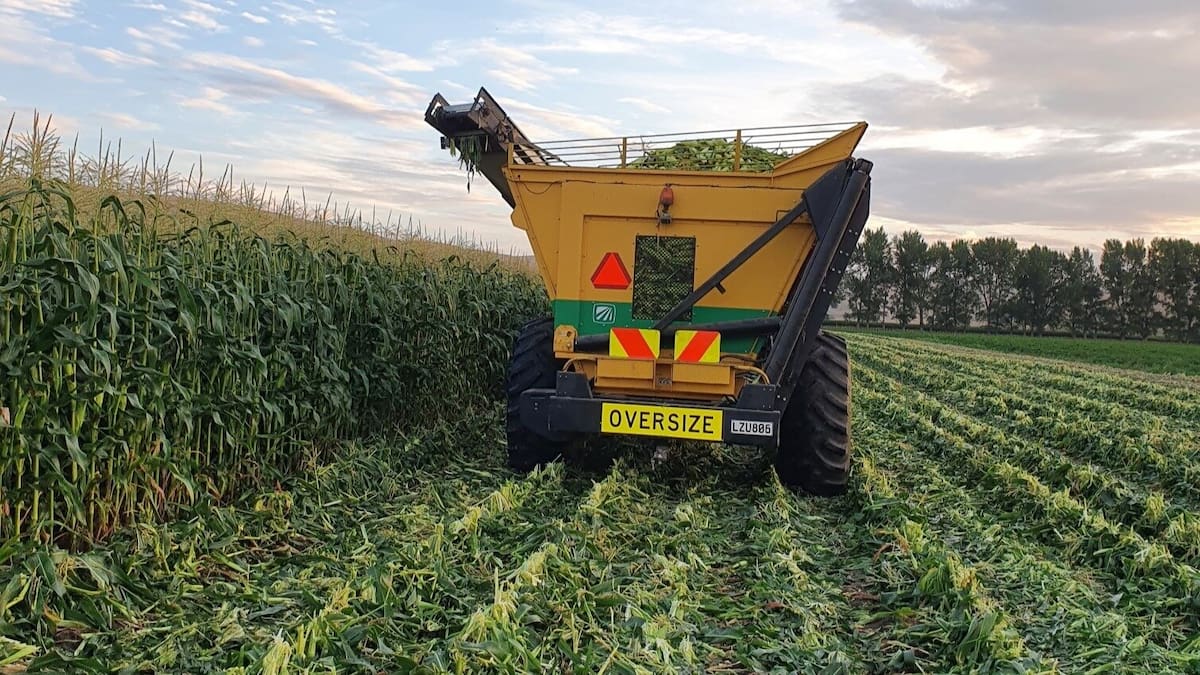
 Farmers Weekly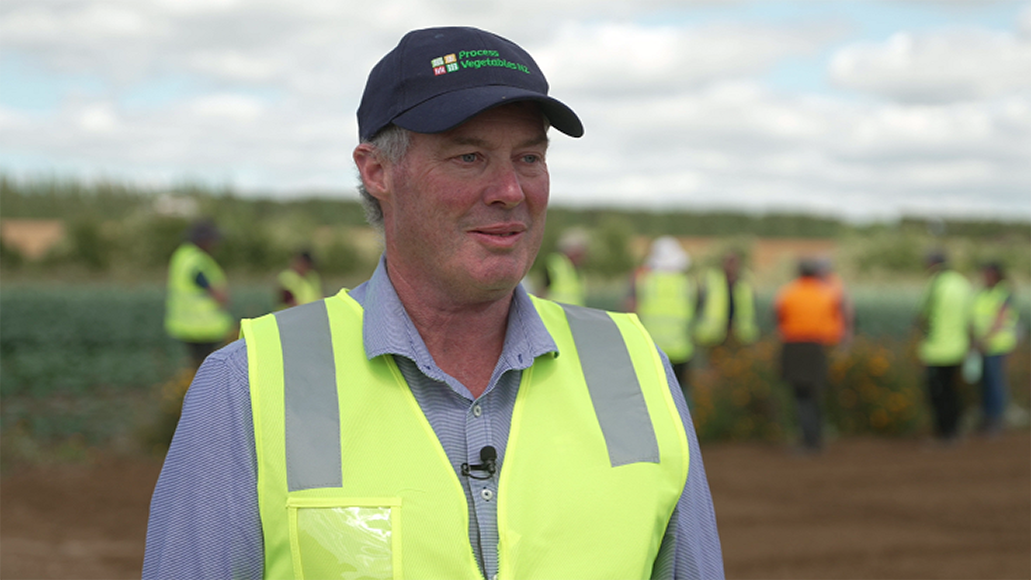
Who owns McCain, and what happens if local frozen vegetable processing leaves New Zealand?
McCain Foods is not a publicly listed company. It is a privately held, family-owned Canadian business, founded in 1957 by the McCain brothers in Florenceville, New Brunswick, and it remains under the McCain family holding structure today. McCain says it is still governed through McCain Foods Group Inc., the family holding company, rather than by public-market shareholders.
This is not a small niche operator. McCain says it sells into more than 160 countries, employs more than 20,000 people worldwide, and generates around C$16 billion in annual revenue. Other recent McCain materials put the workforce closer to 22,000 employees, with 51 production facilities across six continents. In other words, this is a global frozen-food giant with enough scale to reshuffle sourcing across regions when it suits the business.
That matters in New Zealand because if the Hastings closure goes ahead, McCain is unlikely to disappear from local supermarket freezers. Its New Zealand presence extends beyond mixed vegetables into fries, hash browns, wedges, pizzas, and foodservice potato products, so the brand itself is likely to remain visible even if local vegetable processing shrinks. The more likely outcome is that frozen vegetables sold here under the McCain name are increasingly supplied through the company’s wider Australia-New Zealand network, with Australia the most obvious replacement source given McCain’s long-established processing footprint there, including vegetable capacity in Smithton, Tasmania.
But Australia may not be the whole story. There is also precedent for some frozen vegetable lines sold in New Zealand drawing on wider imported supply, and past reporting has linked McCain vegetable products in this market to imports from countries including China and the Netherlands. So while Australia looks like the front-runner, some product lines could still be sourced from further afield depending on the category, season, price, and supply conditions. The key point is that McCain may stay on the shelf even as less of the food behind it is grown and processed locally.