The Egg Is Not Simple
An egg isn’t just protein, it’s a snapshot of the system that produced it. Barn eggs deliver consistency and cost efficiency. Regenerative pasture-raised eggs deliver better fatty acid balance, higher vitamins, living-soil inputs, and long-term marginal gains. The shell is simple. The story isn’t.
Barn vs Regenerative Organic
An egg looks neutral.
Smooth shell.
Protein.
Breakfast.
But it is a compressed agricultural system.
And the system matters.
The Core Reality
Conventional barn eggs in New Zealand come from indoor systems. Perches and nests, yes. But no pasture. No insects. No sunlight. Feed is typically grain-heavy, corn and soy dominant. Lighting is controlled. Density is higher. Uniformity is the goal.
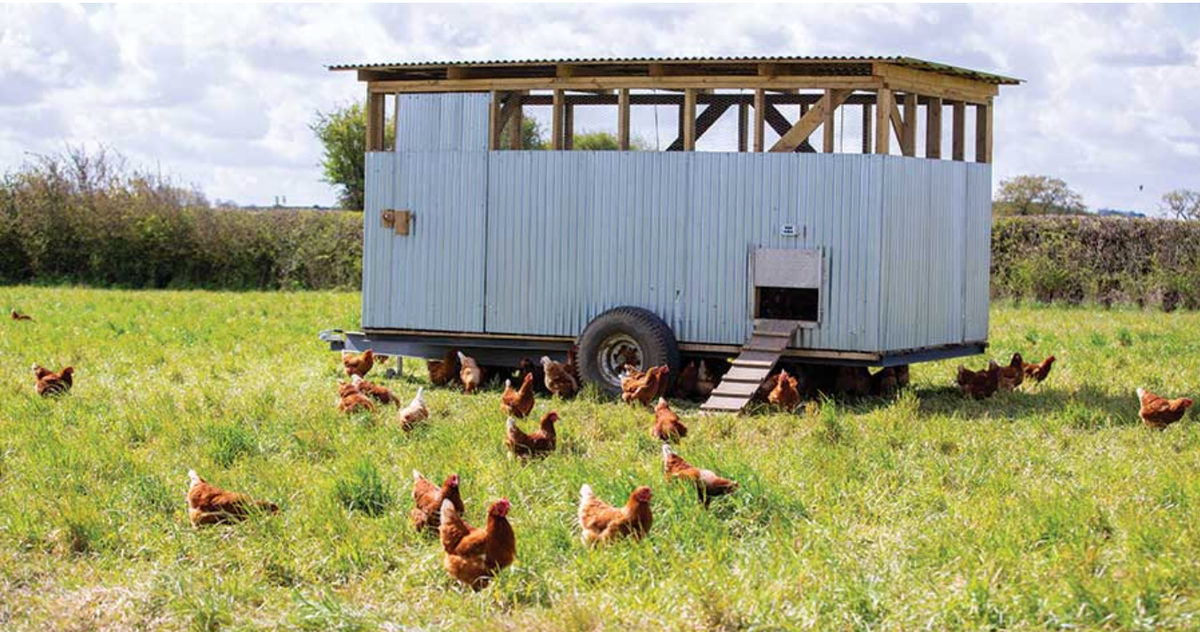
Regenerative pasture-raised organic hens live in rotational systems. They scratch soil. Eat grasses. Hunt insects. Move through paddocks. Sunlight hits their feathers. The soil beneath them is being restored, not depleted.
An egg is a biological record of that environment.
It carries the imprint of stress, diversity, sunlight, and soil health.
What Actually Changes
All eggs are nutrient-dense.
Six grams of complete protein.
Choline. Selenium. B12.
But when hens live on real pasture, the data shifts:
• 2–6x higher omega-3 fatty acids
• Omega-6 to omega-3 ratio dramatically improved
• 3–4x higher vitamin D
• 2–3x higher vitamin E
• 1.5–2x higher vitamin A
• 2–8x higher carotenoids (deep orange yolks)
This is not marketing copy. It is consistent across multiple comparative analyses of pasture-raised vs indoor systems.
Is this a miracle?
No.
It is marginal gains.
And marginal gains compound over decades.
Omega balance affects inflammation.
Vitamin D affects immunity and hormones.
Carotenoids affect eye health and oxidative stress.
These are slow levers, not instant switches.
The Sensory Tell
Crack open a regenerative egg.
The yolk stands tall.
Thick.
Deep orange.
That colour comes from carotenoids in living forage.
Barn yolks are typically paler, flatter, more uniform. Industrial feed creates consistency. Pasture creates variation.
Uniformity is efficient.
Variation is biological.
Animal Welfare and Soil
New Zealand phased out battery cages. Barn systems are an improvement.
But regenerative goes further.
Lower effective density.
Natural behaviour.
Rotational grazing.
Soil carbon building.
Microbial life increasing year by year.
One system optimises output.
The other attempts to repair land while producing food.
That difference extends beyond the egg.
The Hard Truth
If someone eats ultra-processed food, industrial seed oils, refined carbohydrates, and lives under artificial light, switching to regenerative eggs will not transform their health.
But if someone is already building a real-food diet, upgrades stack.
The egg is not a miracle.
It is a multiplier.
Over 10–20 years, multipliers change trajectories.
The Woo Layer (Grounded in Biology)
Sunlight changes cholesterol metabolism in the hen.
Pasture diversity changes fatty acid composition.
Soil microbes influence plant phytochemicals.
Plant chemistry alters egg nutrient structure.
Stress affects hormone signalling.
Fatty acids influence membrane fluidity.
Membrane fluidity influences cellular communication.
You can call that nutrient density.
Or you can call it vitality.
A hen living in sunlight on living soil produces a more biologically coherent output than a hen living in an enclosed, controlled environment.
Environment imprints biology.
That imprint transfers forward.
Whether you frame it in biochemical language or energetic language, the direction is the same.
Price Reality (NZ Context)
Barn eggs: roughly $6–8 per dozen
Certified organic: $10–14
True regenerative pasture-raised: $12–18+
Expect roughly 1.5–2.5x the price.
You are not paying for protein.
You are paying for land use, labour, sunlight, lower density, and soil restoration.
You are paying for a different system.
Scorecard
Conventional barn eggs: 75 / 100
Certified organic (basic outdoor access): 85 / 100
True regenerative pasture-raised organic: 92–95 / 100
Not because barn eggs are bad.
Because regenerative systems align more closely with long-term nutrient density, ecological resilience, and biological coherence.
Final Answer
If budget is tight, eat eggs.
If you care about inflammation, fatty acid balance, soil regeneration, animal behaviour, and long-term marginal gains, choose regenerative pasture-raised organic.
It is not magic.
It is direction.
And direction, over decades, is everything.
The egg looks simple.
The story begins in the soil.