
Organic Ecosystem in New Zealand
This page maps the key organisations shaping the organic sector in New Zealand, including certification bodies, advocacy groups, and industry organisations. Together they form the core ecosystem supporting organic farming, food integrity, and sustainable agriculture.
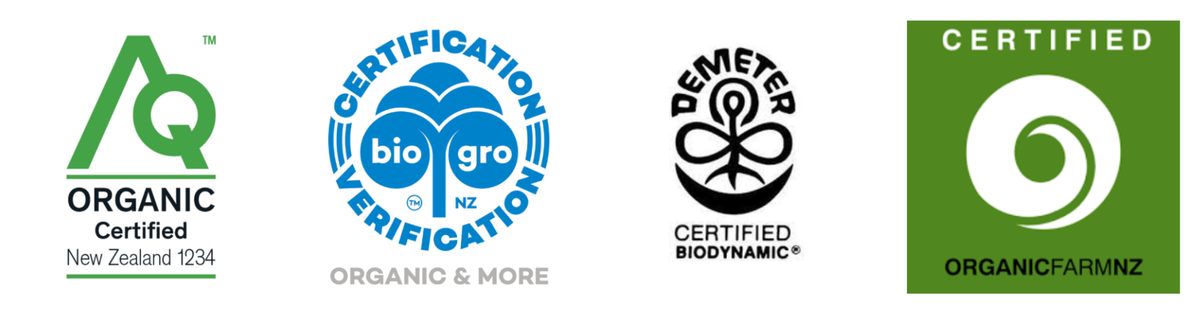
Organic food in New Zealand is supported by a network of organisations that each play a different role in the system.
Some organisations certify farms and products, verifying that food is produced according to organic standards. Others focus on advocacy, research, or industry coordination, helping grow the organic sector and protect environmental and food integrity.
Together these organisations form the core architecture of the organic movement in New Zealand.
This page provides an overview of the key organisations involved and links to detailed pages explaining what each one does.
Certification Bodies
Certification organisations verify that farms, food producers, and processors meet recognised organic standards. These certifications provide transparency for consumers and enable access to domestic and international organic markets.
OrganicFarmNZ
A grassroots organic certification system designed for small and medium-scale growers supplying the domestic market. OrganicFarmNZ uses a community-based peer-review model known as a pod system, making certification more accessible and affordable.
BioGro New Zealand
New Zealand’s largest organic certification organisation, providing internationally recognised certification for farms, processors, and manufacturers. BioGro certification is widely used for both domestic and export organic markets.
AsureQuality
A certification and inspection agency that provides organic certification aligned with international standards such as USDA Organic and EU organic regulations, enabling New Zealand producers to access global markets.
Demeter International
Provides certification for biodynamic agriculture, a holistic ecological farming system that builds upon organic standards and emphasises soil vitality, biodiversity, and regenerative farming practices.
Sector Leadership and Advocacy
These organisations support the organic movement through policy advocacy, research, education, and industry coordination rather than certification.
Organics Aotearoa New Zealand
The national umbrella organisation representing the organic sector. It supports industry development, research, policy engagement, and collaboration across the organic ecosystem.
Soil & Health Association of New Zealand
One of the world’s oldest organic organisations, founded in 1941. It promotes organic agriculture, soil health, and sustainable food systems through advocacy, education, and the publication of OrganicNZ magazine.
How These Organisations Fit Together
The organic sector in New Zealand operates as a layered ecosystem, where different organisations serve different purposes.
| Role | Organisations |
|---|---|
| Grassroots certification | OrganicFarmNZ |
| Major organic certification | BioGro |
| Export organic certification | AsureQuality |
| Biodynamic certification | Demeter |
| Industry coordination | Organics Aotearoa NZ |
| Advocacy and education | Soil & Health |
Together they support the development of organic farming by providing standards, certification, research, policy advocacy, and community support.
Why This Matters
Organic agriculture represents only a small proportion of total farmland in New Zealand, but it continues to grow as consumers increasingly seek food produced with fewer chemicals and greater environmental care.
Understanding the organisations involved helps farmers, producers, and consumers navigate the organic sector and identify the certification systems, advocacy groups, and industry bodies shaping the future of organic food in New Zealand.
How the System Works
A simple way to understand the organic ecosystem:
Farmers and producers
↓
Certification bodies verify production standards
↓
Industry organisations coordinate sector development
↓
Advocacy groups promote policy and public awareness
↓
Consumers gain confidence in organic food
Each layer supports the others, helping build trust, transparency, and long-term resilience in the food system.
