Farmers’ Markets: One of the Simplest Ways to Find Real Food in New Zealand
Farmers’ markets are one of the simplest ways to reconnect with real food in New Zealand. With over 1,000 small producers serving 50,000+ shoppers weekly, they offer fresher food, stronger local economies, and a direct connection between growers and the people who eat their food.

Across New Zealand, farmers’ markets quietly play a powerful role in reconnecting people with real food.
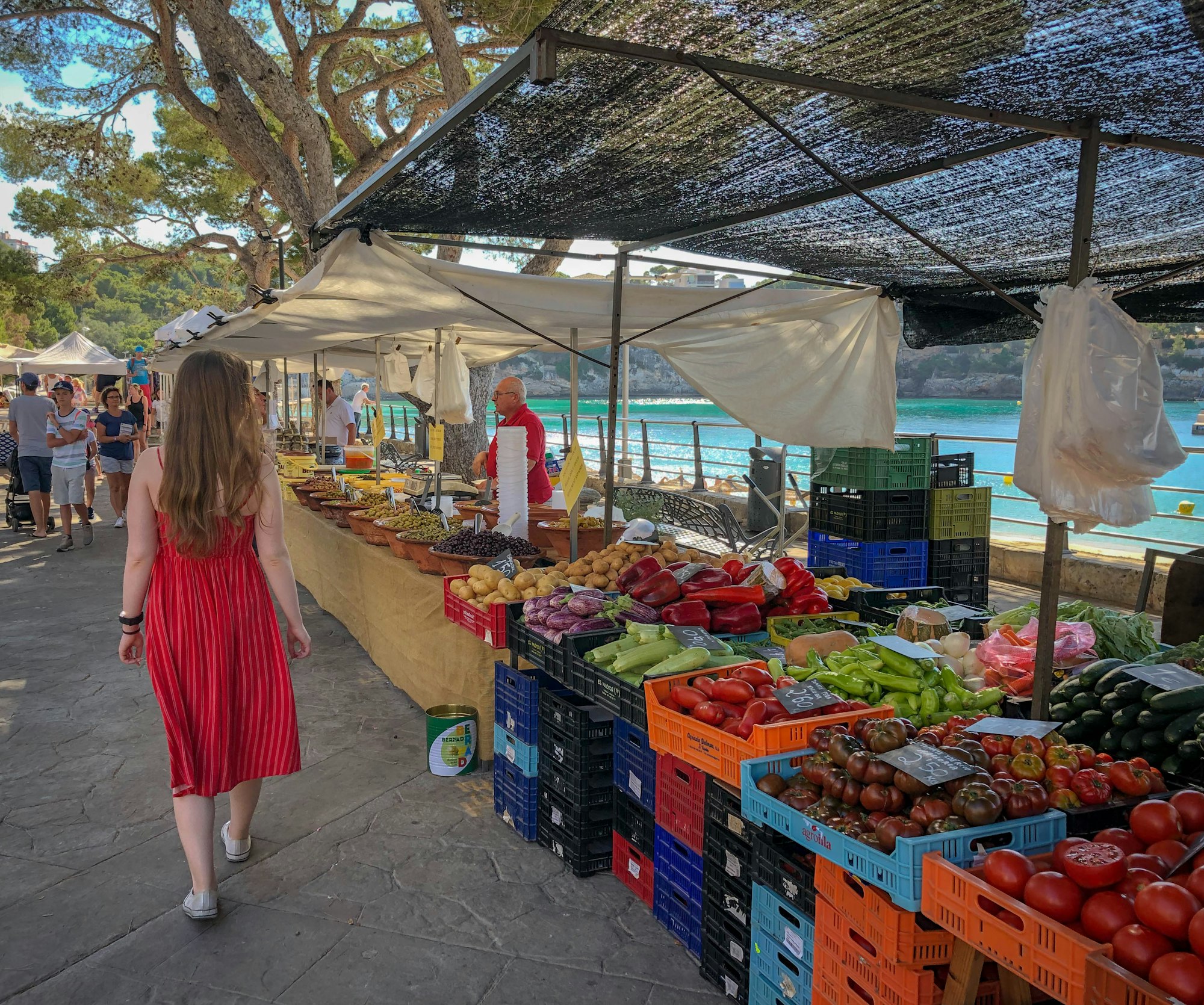
Unlike supermarkets, where food often travels through long supply chains and distribution centres before reaching the shelf, farmers’ markets shorten the distance between the grower and the eater. In most cases, the person selling the food is the person who grew it, raised it, caught it, or made it.
That simple difference changes everything.
A Direct Connection to Food
At a farmers’ market you can ask questions that rarely get answered in supermarkets.
Where was this grown?
Was it sprayed?
What variety is it?
When was it harvested?
Often the answers come directly from the person whose hands were in the soil.
This transparency is one of the most powerful features of farmers’ markets. It allows consumers to understand how their food is produced and to make more informed choices.
Freshness You Can Taste
Much of the produce sold at farmers’ markets is harvested shortly before market day.
Vegetables picked the day before — or even that morning — simply taste different. Sugars, aromas, and nutrients begin declining soon after harvest, so the shorter the time between field and plate, the better.
This is why tomatoes, berries, greens, and herbs often taste dramatically better when bought directly from a grower.
Seasonal Food Returns to the Table
Farmers’ markets naturally follow the rhythm of the seasons.
Instead of everything being available all year round, the stalls change week to week. Strawberries appear, then disappear. Stone fruit arrives for a few weeks. New season potatoes replace the stored crop.
This rhythm reconnects people with the natural cycles of food production — something that modern supply chains have largely hidden.
Supporting Small Local Producers
New Zealand’s food system is dominated by a small number of large supermarket chains and industrial-scale producers.
Farmers’ markets offer a different model.
They allow small-scale growers, bakers, cheesemakers, fishermen, and food artisans to sell directly to their communities. This keeps more of the food dollar in local hands and helps smaller producers survive in a highly consolidated food system.
Across the country, around 25 certified farmers’ markets operate under Farmers’ Markets New Zealand, representing more than 1,000 small food businesses and serving over 50,000 customers every week.
In total, more than 40 markets operate regularly nationwide, from Northland to Southland.
A Surprising Cash Fact
Despite the rise of contactless payments and mobile wallets, farmers’ markets are one of the places where cash still thrives.
A Reserve Bank survey found that the most common reason New Zealanders say they use cash is to pay at farmers’ markets or roadside stalls.
Even in a largely digital economy, these local food spaces are one of the few places where coins and notes remain part of everyday life.
More Variety Than the Supermarket
Farmers’ markets often showcase varieties that rarely appear in supermarkets.
Heritage vegetables.
Unusual fruit cultivars.
Small-batch cheeses.
Handmade breads.
Pasture-raised meats.
These foods exist because small producers can grow for flavour, diversity, and craftsmanship rather than for shelf life or transport efficiency.
A Community Gathering Place
Farmers’ markets are not just about food.
They are also community spaces.
Families meet for breakfast, musicians play, children run between stalls, and neighbours catch up over coffee and pastries. In many towns and suburbs, the weekly market has become a social ritual as much as a shopping trip.
A Surprisingly Recent Movement
While markets feel timeless, the modern farmers’ market movement in New Zealand is relatively new.
The first began in Whangārei in 1997, and within a decade markets had spread across most cities and many regional towns.
Today they form an important part of the country’s local food economy.
Shorter Food Chains
Every step between farm and consumer adds cost, storage time, and transport.
Farmers’ markets remove many of those steps. Instead of food moving through growers, wholesalers, distribution centres, and supermarket shelves, it often moves directly from the farm to the market stall.
Shorter food chains can mean fresher food and sometimes better prices for both growers and customers.
Finding Farmers’ Markets
Farmers’ markets operate across New Zealand, from the Bay of Islands to Invercargill, in both urban and rural communities.
To make them easier to discover, I’ve started mapping farmers’ markets alongside organic farms and food producers across the country.
The map is growing and will continue to expand as more locations are added.
Because sometimes the best way to find real food is simply to meet the people who grow it.
Discover New Zealand Farmers’ Markets on Our Growing Map
National Farmers’ Markets Week is the perfect time to explore local food. The Organic Food Together map now includes farmers’ markets across New Zealand, helping connect shoppers with growers, artisans, and real food producers near them.
 Organic Together