Beyond the Bread Test: Glyphosate Residues, Your Gut Microbiome, and What You Can Actually Do About It
April 2026 testing found glyphosate in six of eight supermarket breads — highest in the wholegrain and seed-heavy loaves many of us choose for health. But the real story is what those everyday exposures may be doing to your gut bacteria.
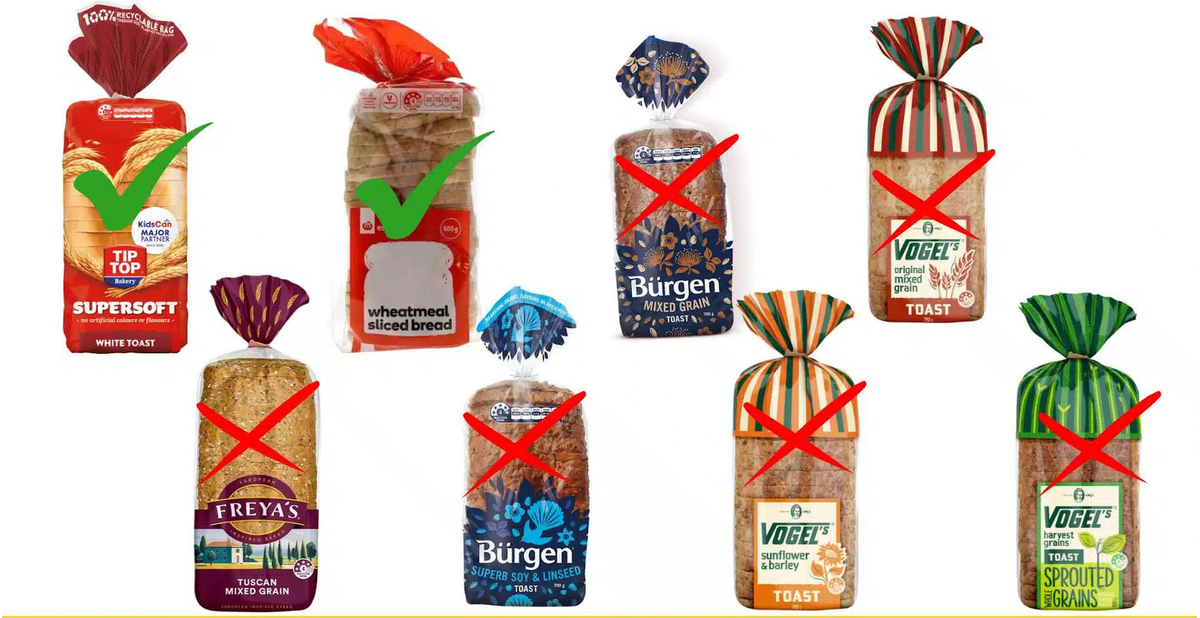
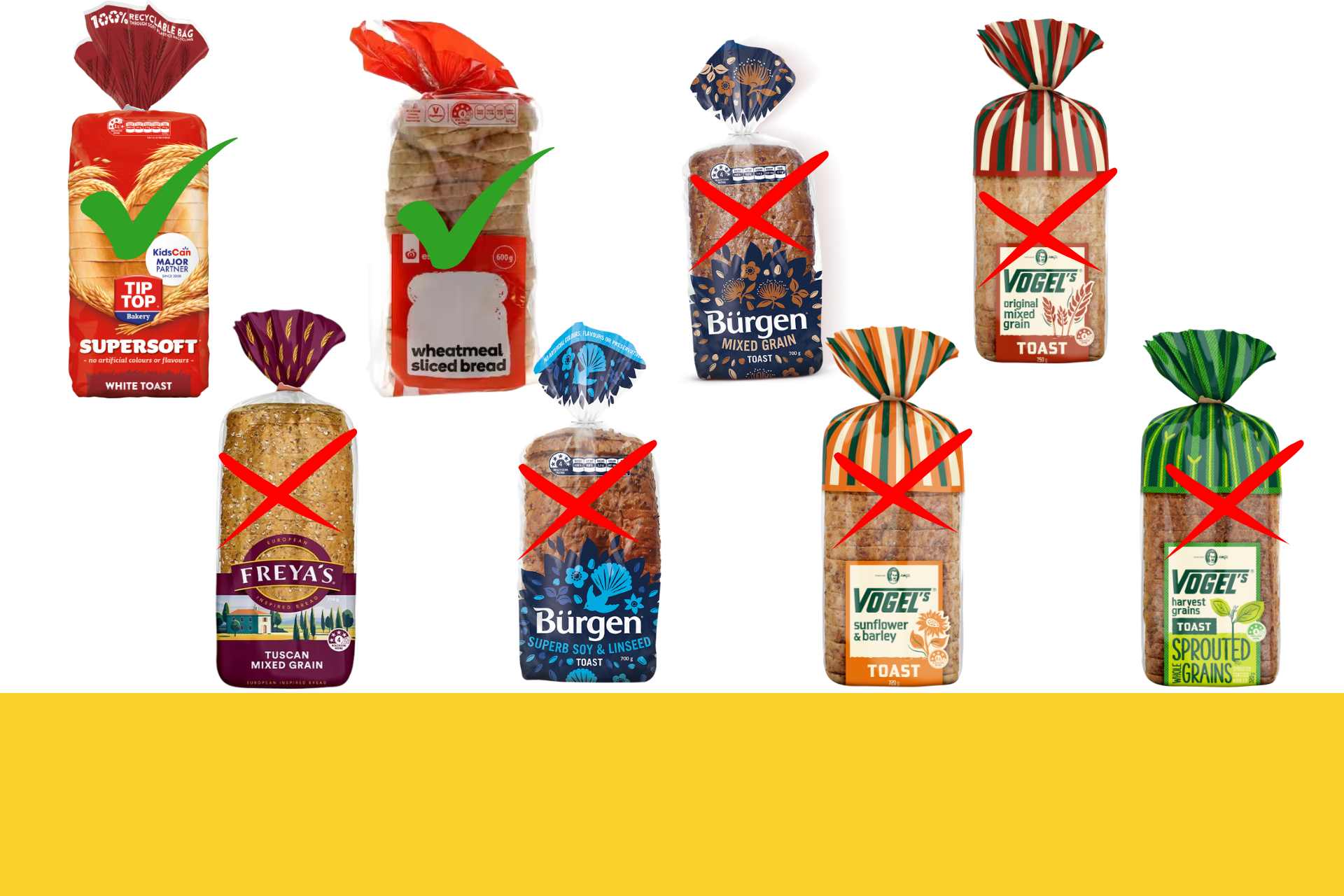
Bread is one of those quiet staples we rarely question — until independent testing shines a light on it. No More Glyphosate NZ's third round of bread testing (April 2026) tested eight supermarket loaves. Six came back with detectable glyphosate (0.023–0.21 mg/kg). The highest levels were in the "healthier" options: Freya's Tusan Mixed Grain (0.21 mg/kg), Burgen Superb Soy & Linseed (0.168 mg/kg), and three Vogel's lines. Tip Top Supersoft and Woolworths Essentials Wheatmeal were non-detect.
This isn't random. Wholegrain and multigrain breads retain the outer grain layers where residues concentrate, plus extra seeds that carry their own traces. Refined flours strip much of that away. All results are legally compliant — but the variation raises a practical question for anyone eating bread most days: what does this mean once it reaches your gut?
The Gut Microbiome Connection
Glyphosate's primary mode of action — inhibiting the shikimate pathway — doesn't affect human cells, which is why regulators have long called it low-risk. But that same pathway is essential for many gut bacteria. Roughly half the common species in the human microbiome rely on it to produce essential amino acids.
At low doses relevant to food residues, glyphosate can selectively suppress beneficial bacteria (Lactobacillus, Bifidobacterium) while more resistant strains hold their ground. The result is dysbiosis — a microbial imbalance. Recent low-dose studies (2023–2025) found reduced beneficial species, lower production of short-chain fatty acids like butyrate, raised gut inflammation markers, increased intestinal permeability, and downstream effects on the gut-brain axis. These shifts occur with chronic dietary exposure — exactly the scenario for daily bread eaters.
How This Can Affect Broader Health
Your gut microbiome regulates far more than digestion. Disruptions have been linked to inflammation and weakened gut lining, mood and serotonin production (most of which happens in the gut), altered immunity and metabolism, and greater vulnerability during high-stress periods, pregnancy, childhood, or post-antibiotics.
Human causation studies are still limited. Regulators maintain dietary exposure is within safe limits. But many consumers take a precautionary view: minimising chronic low-level pressure on the microbiome is worthwhile when practical alternatives exist.
How to Reduce Your Exposure
Glyphosate doesn't significantly bioaccumulate — most is excreted within 24–48 hours. Reducing ongoing intake can lower your body burden relatively quickly. Bread is a high-volume daily staple, so it's one of the easiest places to start.
1. Certified organic bread — Organic standards ban synthetic glyphosate. Residues are near-zero. Look for artisan sourdough bakeries using organic flour, or supermarket organic ranges.
2. Home baking with NZ organic or spray-free flour — Often the best value and maximum transparency.
- Organic Flour Mills NZ (Palmerston North): Certified organic NZ-grown wholegrain flours, milled fresh to order.
- Capital Millers / Shelly Bay Baker (Wellington): Certified organic NZ stoneground flours sourced from Canterbury growers, shipped nationwide.
- Scotsburn Farm (Methven): BioGro certified organic whole grains — wheat, spelt, ryecorn.
- Farmers Mill (South Canterbury): 'Pioneer' spray-free flour, grown without sprays.
Buy in bulk (10–20 kg) to bring the cost per loaf down significantly. Long-fermentation sourdough supports beneficial microbes and improves digestibility.
3. A hybrid approach — Use refined conventional bread occasionally (it tests lower). Choose organic or home-baked for daily use.
While you're transitioning, diverse fibre-rich plants, fermented foods, and a short probiotic course can help support beneficial bacteria. Many people notice improvements in bloating, energy, or digestion after four to six weeks.
This isn't about panic. It's about informed choice in a food system where legal compliance doesn't always equal the cleanest option. Independent testing gives us the data to decide for ourselves.
Switching to organic, baking at home, or found a good local sourdough? Share your experiences below — especially with NZ flours.
Full test results: nomoreglyphosate.nz/glyphosate-nz-bread-test-results-april-26/ Microbiome science summary: nomoreglyphosate.nz/glyphosate-microbiome-impact/
This post discusses publicly reported independent test results and peer-reviewed research. It is not medical advice. Regulators assess dietary exposure as within safe limits. The focus here is transparency, the precautionary principle, and practical steps for consumers who want to reduce exposure.
 No More Glyphosate NZ