Bacon & Eggs: Built by PR, Backed by Biology
Bacon and eggs wasn’t just tradition, it was smart marketing. But does it actually deserve its reputation? We compare bacon and eggs, eggs on toast, and muesli through a metabolic lens to see which breakfast delivers stable energy in today’s stressed, sedentary world.
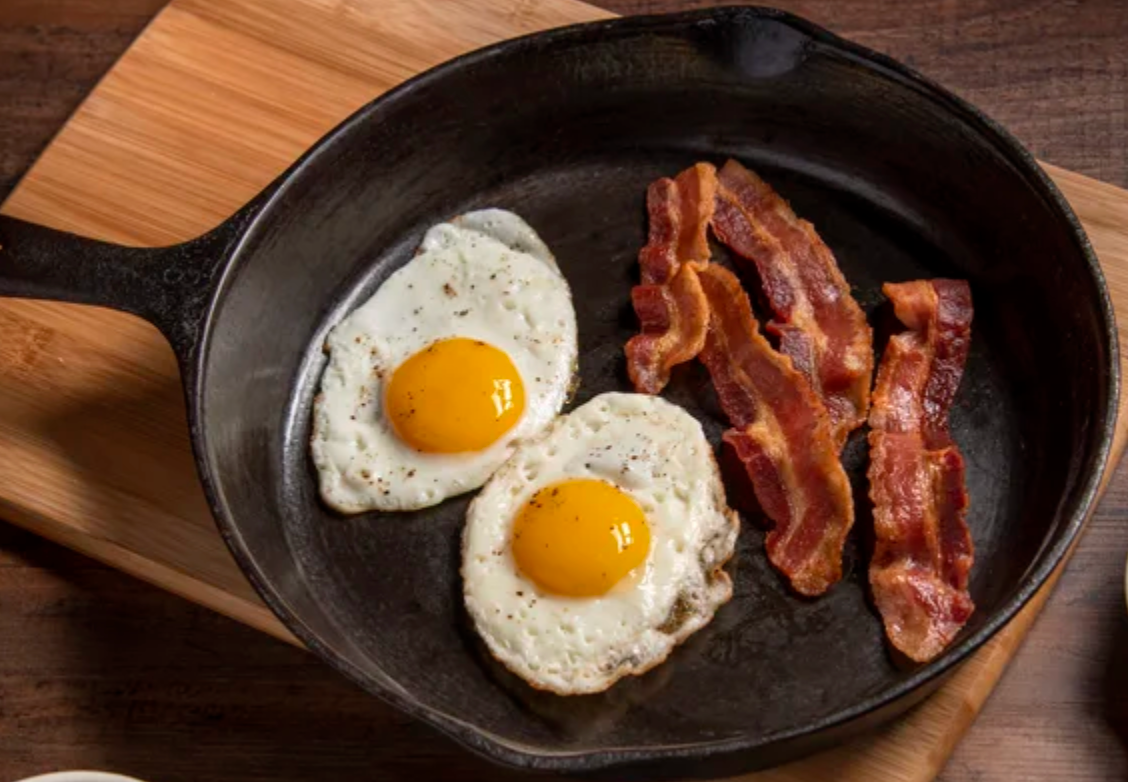
Bacon and eggs feels ancient. Tribal. Like something a blacksmith would eat before hammering iron.
But its modern dominance was amplified in the 1920s by Edward Bernays, hired by the Beech-Nut Packing Company. He surveyed thousands of physicians on whether a “hearty breakfast” was better than a light one for energy. Most agreed. Those responses became national headlines. Bacon sales surged. The habit stuck.
He didn’t invent big breakfasts.
He normalized one version of them.
When industry shapes food norms, it’s worth pausing.
Now let’s strip away marketing and look at metabolism.
Why Bacon & Eggs Works (When It Works)
Eggs:
- Complete protein
- Rich in choline
- Highly satiating
- Minimal impact on blood glucose
Bacon:
- Primarily fat and protein
- Very low carbohydrate
Together → small glucose rise.
Modest insulin demand.
Stable energy curve.
In a world where many adults:
- Sit most of the day
- Carry excess body fat
- Experience chronic stress
- Struggle with blood sugar swings
Protein-forward breakfasts, typically 25–40g of protein, consistently improve satiety, reduce cravings, and smooth energy compared to carb-heavy starts. Research shows they blunt post-meal glucose and insulin spikes and often improve appetite control across the day.
But quality matters.
Pasture-raised eggs often contain 2–6× more omega-3s and higher levels of vitamins A, D, and E than conventional eggs. Pasture-raised pork generally offers a better fatty acid balance than industrial grain-fed pork.
Bacon and eggs can be nutrient-dense, steady fuel.
Or it can be processed convenience.
The sourcing determines the signal.
Eggs on Toast: The Metabolic Middle Ground
Introduce starch and the equation changes.
Toast = glucose input.
Eggs = protein and fat buffer.
The bread makes the difference:
- Refined white bread → rapid spike
- Long-fermented sourdough → slower absorption
- Freshly milled wholegrain → more fiber, more minerals
Eggs slow absorption. They do not erase it.
For metabolically healthy, active individuals, eggs on quality sourdough can provide balanced, sustained energy.
For those already experiencing:
- Poor glucose control
- Insulin resistance
- Chronic stress
- Elevated morning cortisol
Even good bread can push instability higher.
Muesli: Therapeutic Origins, Modern Reality
Muesli was created in the early 1900s by Maximilian Bircher-Benner as a therapeutic food.
The original Bircher style:
- Soaked oats
- Fresh grated apple
- Nuts
- Fermented dairy
Soaking improves digestibility and reduces phytic acid. Fiber and fat blunt the glucose response.
Modern boxed muesli is often:
- Toasted
- Mixed with dried fruit
- Sometimes sweetened
- More processed
That difference matters metabolically.
Does Muesli Spike Insulin?
Compared to bacon and eggs? Yes.
Oats are starch.
Fruit adds additional sugar.
Even properly soaked Bircher muesli produces a higher insulin response than a protein-fat meal, although soaking and fat pairing reduce the spike compared to refined cereals.
Insulin itself is not the villain. Chronic elevation is.
Context determines whether the rise is helpful or disruptive.
For:
- Lean, insulin-sensitive, physically active individuals → soaked muesli can work well.
- Sedentary, stressed, insulin-resistant individuals → higher-carb breakfasts often lead to mid-morning crashes and renewed hunger.
The 2026 Reality
Most adults today are not laborers working sunrise to sunset.
They are:
- Desk-bound
- Chronically stimulated
- Sleeping less
- Constantly exposed to food
In this environment, protein-forward breakfasts tend to outperform carb-dominant ones for:
- Blood sugar stability
- Appetite control
- Focus
- Long-term metabolic resilience
Practical Hierarchy
| Rank | Breakfast Type | Metabolic Profile | Best For | Caution |
|---|---|---|---|---|
| 🥇 | Eggs + quality fats (bacon optional) | Very low carb, minimal insulin | Blood sugar instability, stress, sedentary lifestyles | Source quality matters |
| 🥈 | Eggs + real sourdough | Moderate slow carbs + protein buffer | Active, insulin-sensitive individuals | Refined bread shifts this downward |
| 🥉 | Proper soaked Bircher muesli | Higher carb, fiber-blunted spike | Grain-tolerant, active individuals | Boxed versions often spike more sharply |
The Honest Verdict
There is no universal best breakfast.
There is only:
- Best for your metabolic flexibility
- Best for your stress load
- Best for your activity level
For many modern adults, starting the day with 25–40g of protein produces steadier energy than starting with a bowl of starch.
But context wins.
A lean hiker burning glycogen daily? Quality carbs are useful.
A stressed office worker riding elevated cortisol? More protein, less starch often improves stability.
The simplest experiment:
Notice your energy, hunger, and focus 2–3 hours after eating.
Your physiology gives clearer feedback than food culture ever will.