Why I Bought a Grain Mill (and What I Learned About Sourcing Wheat in New Zealand)
Buying a grain mill changed how I think about wheat. I learned that locally grown, truly whole grains are rare in New Zealand, supply chains are opaque, and many flours are imported or highly processed. Milling your own reconnects you with real grain quality and origin.
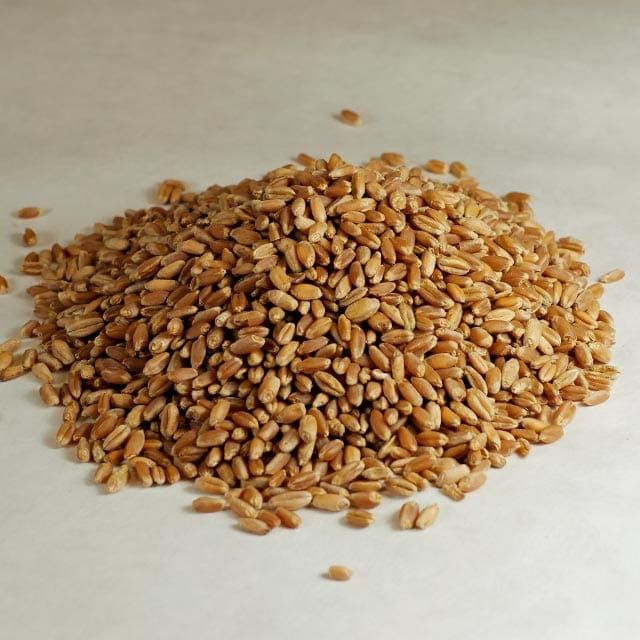
This started as a practical problem.
Flour I wanted was often out of stock.
When it was available, some of it felt old. Flat loaves, muted flavour, inconsistent fermentation. Likely oxidised, likely sitting around longer than ideal. Once wheat is milled, the clock starts ticking.
So I asked a simple question:
How do I stop driving all over town trying to find good flour for sourdough?
The answer was obvious in hindsight.
Buy a grain mill. Buy whole grain. Mill only what I need.
Whole grain stores extremely well. Flour does not.
Once I made that shift, the next challenge appeared immediately: finding good-quality grain, ideally organically grown in New Zealand.
Grain supply is seasonal (and that matters)
Wheat in New Zealand is harvested once a year, typically late summer to early autumn. Organic grain is grown in much smaller volumes than conventional wheat, and much of it is contracted early to mills and commercial buyers.
This means:
- Organic grain can and does run out
- Some suppliers are unavailable for parts of the year
- If you mill at home, you need to plan ahead and store enough grain to bridge the gap between harvests
This isn’t a flaw in the system. It’s simply how seasonal food works.
New Zealand grain suppliers worth knowing about
Below is a list of grain suppliers recommended to me when I bought my mill. Availability varies throughout the year, and some may be out of stock until the next harvest.
Biograins NZ
Pros
- Long-established organic grain producer
- Supplies many organic mills and bakers
- Strong reputation and consistent standards
Things to be aware of
- Retail quantities can be limited
- Availability depends on harvest and contracts
Why choose them
A cornerstone supplier in the organic grain space if you want confidence in provenance and standards.
Milmore Downs
Pros
- Certified organic farm
- Clear focus on grain quality
- Suitable grain for home milling
Things to be aware of
- Seasonal availability
- Limited range depending on the year
Why choose them
Great if you value traceability and farm-level sourcing over anonymous bulk supply.
Organic Flour Mills
Pros
- Organic specialists
- Strong understanding of baking and milling quality
- Helpful knowledge and advice
Things to be aware of
- Primary focus is flour rather than whole grain
- Grain availability can vary
Why choose them
A useful bridge supplier if you’re transitioning from buying flour to milling your own grain.
Scotsburn Farm
Pros
- Certified organic farm
- Direct relationship with customers
- Smaller-scale and personal
Things to be aware of
- Limited quantities
- Stock depends heavily on seasonal conditions
Why choose them
Ideal if you want a direct connection to the grower and are comfortable planning ahead.
Terrace Farms Organic Grains
Pros
- Direct grower
- Organic focus
- Grain often suitable for home milling
Things to be aware of
- Email-based ordering
- Availability varies year to year
Why choose them
Good option for those happy to deal directly with growers and plan purchases around harvests.
live2give Organics
Pros
- Retail-friendly
- Accessible for home bakers
- Often stocked through organic channels
Things to be aware of
- Smaller volumes
- Not always available year-round
Why choose them
Convenient for smaller purchases and easier access without bulk buying.
Bulk food stores
Many bulk food stores (such as Bin Inn or GoodFor) also sell wheat grain.
These can be convenient, but it’s worth checking:
- Whether the grain is suitable for milling
- How long it’s been in storage
- Whether it’s organic or conventionally grown
Bulk stores can be useful for top-ups, but may not always be ideal as a long-term primary supply.
The takeaway
Buying a grain mill didn’t just solve a flour problem. It changed how I think about bread.
- Grain stores well
- Fresh flour tastes better
- Milling on demand avoids oxidation
- Seasonal supply becomes something to plan for, not fight against
If you bake sourdough regularly, milling your own grain isn’t about being fancy. It’s about control, consistency, and quality.
Once you make the shift, it’s very hard to go back.