Where to Get Organic Flour for Bread in NZ (What I’ve Learned So Far)
Finding real organic bread flour in New Zealand takes effort. Supply is limited, origin isn’t always obvious, and tracing where wheat is grown and milled requires asking direct questions. Milling your own grain changes that relationship entirely.
I didn’t set out to become obsessed with organic flour.
I just wanted to know what was actually in my bread.
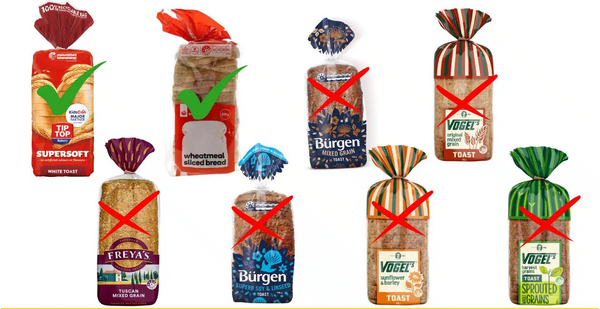
When New Zealand moved toward mandatory folic acid fortification in bread, I went down a rabbit hole. What I learned surprised me: organic bread doesn’t have to include folic acid, because folic acid is synthetically produced and adding it would mean the bread is no longer organic.
That immediately raised a problem.
Finding regular, cost-effective organic bread in NZ is harder than you’d expect.
For months I bought Wild Wheat, assuming it would be free of added folic acid. Later I learned it wasn’t. I moved on to Daily Bread, whose website says they try to use organic where they can, but that still left me unsure what was actually in the loaf.
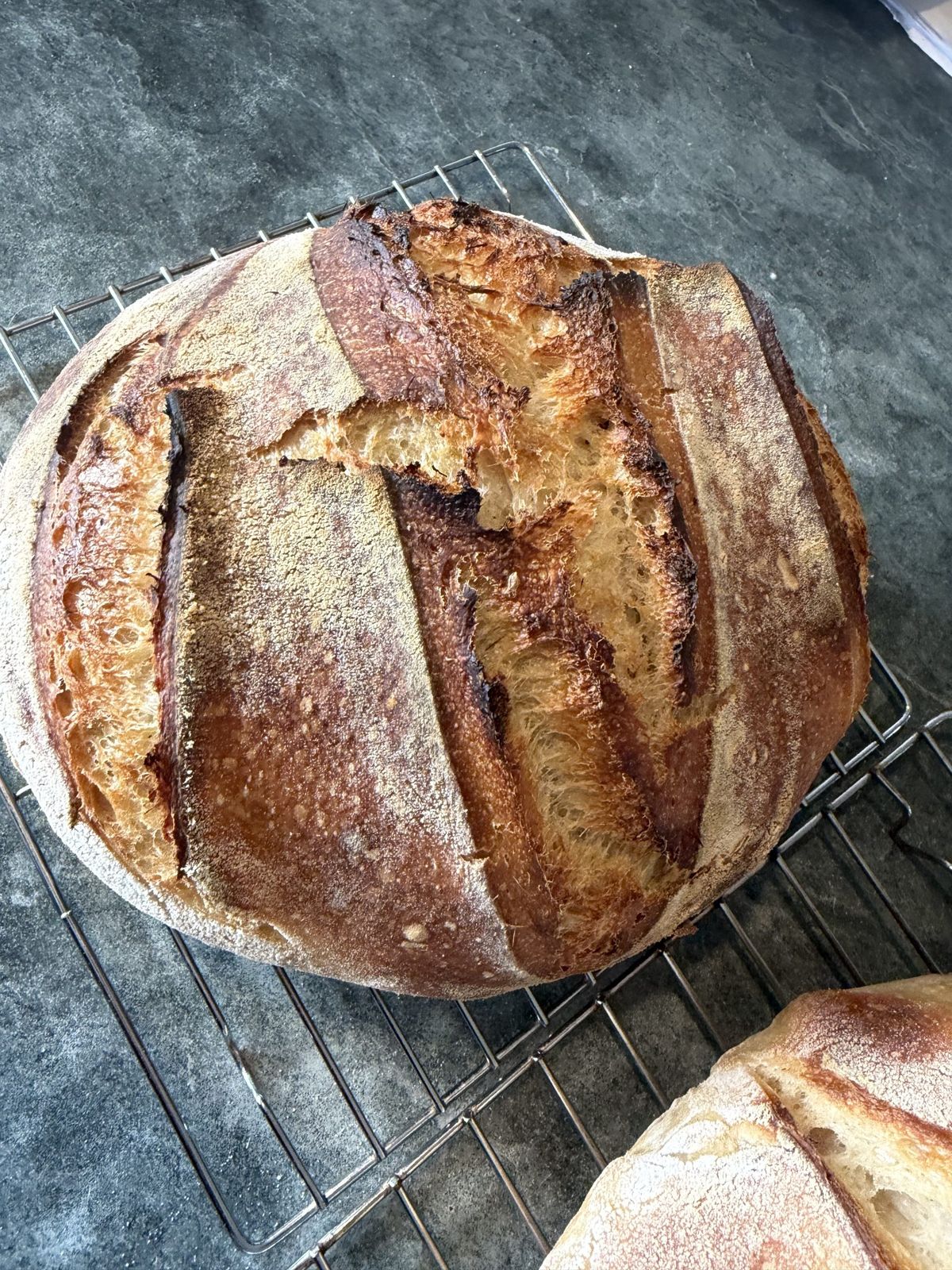
So instead of guessing, I decided to learn how to make my own bread.
Learning Sourdough (Late and the Hard Way)
I completely missed the Covid sourdough craze. While everyone else was baking and drinking beers at home, I was trying to keep a business alive.
When I finally started watching YouTube videos and giving sourdough a go, it was… humbling.
Starters failed.
Starters gifted by friends failed.
What I didn’t understand at the time was how critical temperature is, especially in winter.
It wasn’t until spring that I was given a genuinely strong starter from Bethells Beach. I named her Bethel, and she’s still going strong.
Once I had a reliable starter and my bread was consistently “okay,” my attention shifted to the flour itself.
My First Reliable Organic Flour Source
Around the same time, GoodFor in Grey Lynn had just started offering fresh organic produce. The prices were good, the range was solid, and importantly, the flour was reliable.
Over time I’ve used:
- organic white (roller milled)
- organic white (stone milled)
- 00 baker’s flour
- rye
- wholemeal
- spelt
Each week I’d restock, bake, and slowly build a feel for how different flours behaved in different ratios. This alone taught me more than any book or video.
Trying Other Suppliers
Once my bread improved, I started experimenting more deliberately.
I tried:
- pre-bagged flours from Ceres and Chantel
- organic white flour from Common Sense (which feels higher protein and produces a noticeably thirstier dough)
- flour from Sandringham Bulk Foods, which I’ve been happy with, especially for the price
Sandringham Bulk Foods also stocks trays of organic eggs, which matters more than you’d think. Consistent access to basic ingredients is half the battle.
I’ve also found Organic Flour Mills online, though I haven’t purchased from them yet.
Over about six months, I noticed something else:
not all flour is equal, and not all flour is equally fresh. I suspect a few underwhelming loaves were due to older batches rather than my technique.
The Three Things That Actually Matter
At this point, flour choice stopped being about brands and became about three variables:
- Quality – how it behaves, tastes, ferments
- Price – because bread shouldn’t be a luxury
- Availability – out-of-stock flour is useless flour
No single supplier has nailed all three every time.
Leveling Up: Milling My Own Flour
That led me to the next step: buying a grain mill.
Now the challenge shifts again:
- sourcing quality organic grain
- understanding varieties
- learning how milling affects flavour and fermentation
- balancing cost and effort
I’m very much at the beginning of this phase.
For now, I’ll still be buying flour while I learn more about grain and milling. This isn’t an overnight switch, it’s a gradual shift.
Where I’m At (And What’s Next)
This isn’t a definitive guide.
It’s a snapshot of what I’ve learned so far.
If you know:
- good organic flour suppliers
- reliable organic grain sources
- mills worth looking at
- or you’ve had different experiences with the same flours
I’d love to hear about it.
This site is called Organic Food Together for a reason.