What Conventional New Zealand Beef May Have Been Exposed To
New Zealand beef generally meets strong safety standards, but “safe” doesn’t mean untouched. Cattle may encounter parasite treatments, occasional antibiotics, pasture sprays and environmental residues over their lifetime. Muscle meat residues are rare and usually low.
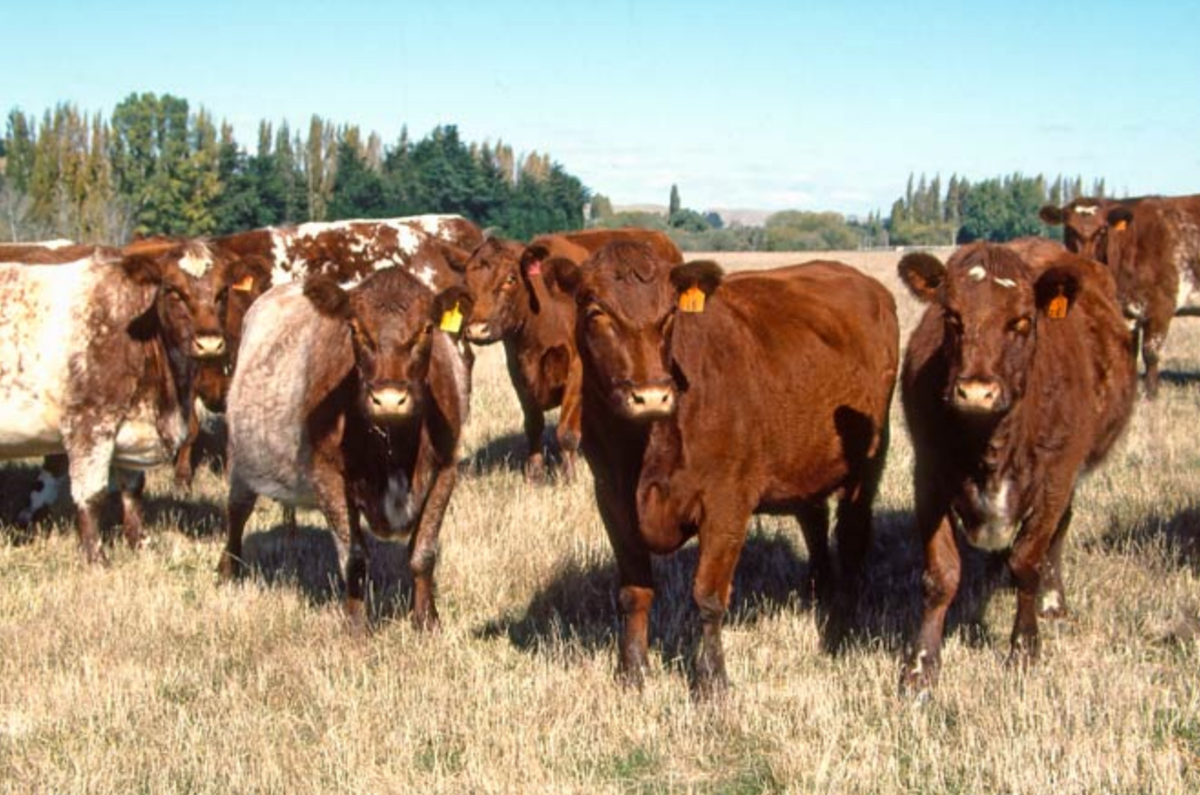
New Zealand beef has a strong food-safety record.
Monitoring by the Ministry for Primary Industries (MPI) consistently finds extremely high compliance with residue standards. Most muscle meat contains little to no detectable residues, and exceedances are rare.
But “safe” does not mean “nothing ever touched the animal.”
Cattle live on land. Land is managed. Management uses tools.
Those tools leave footprints.
This note outlines what cattle may realistically encounter during their lifetime on a typical conventional pasture farm.
1. Veterinary Medicines
(The most common inputs in cattle farming)
Animals grazing outside still get parasites, infections, and injuries. Treatment is routine animal welfare.
Parasite Treatments (Worm drenches, pour-ons, injections)
Used several times per year to prevent weight loss and disease.
- Abamectin
- Ivermectin
- Doramectin
- Moxidectin
- Levamisole
- Oxfendazole
- Albendazole
- Eprinomectin
These are the compounds most often historically detected, typically in liver or fat rather than meat.
Antibiotics (When animals get sick)
Used therapeutically, not continuously in NZ pasture systems.
- Penicillin
- Tetracyclines
- Sulfonamides (e.g. sulfamethazine)
- Ceftiofur
- Tylosin
- Florfenicol
- Macrolides
Withdrawal periods are required before slaughter.
Anti-inflammatories / Pain Relief
- Flunixin
- Meloxicam
Feed Additives (Occasional)
- Monensin (ionophore coccidiostat)
Hormonal Growth Promotants (HGPs)
Now uncommon due to export market pressure but still legally possible:
- Estradiol
- Progesterone
- Trenbolone acetate
- Zeranol
Most NZ beef is effectively hormone-free in practice, but the system historically allowed them.
2. Pasture & Weed Control Chemicals
(The land the animal lives on)
Cattle eat grass.
Grass grows in managed ecosystems.
Possible exposures come from pasture spraying or environmental drift:
- Glyphosate (and AMPA metabolite)
- Oxyfluorfen
- Pirimiphos-methyl
- Organophosphates (legacy/rare)
- Synthetic pyrethroids
These are seldom detected in meat because cattle metabolise and excrete them quickly, but exposure can occur.
3. Environmental Contaminants
(Not intentionally applied to the animal)
Everything living accumulates trace elements from soil, water, and history.
Heavy Metals
- Lead
- Cadmium
More common in organs than muscle meat.
Pest Control Compounds
- 1080 (sodium fluoroacetate) — extremely low risk in farm cattle
- Anticoagulant rodenticides (brodifacoum, bromadiolone, difenacoum)
Legacy Persistent Chemicals
Historic residues that still exist in soils decades later:
- Dieldrin
- Aldrin
Banned Drug Screening
Tested to ensure absence:
- Nitrofurans
Where Residues Actually Sit
If detected at all:
Highest likelihood: liver, kidney, fat
Very low likelihood: muscle meat (steak, mince)
This matters because most residue monitoring targets organs specifically.
What This Means In Practice
New Zealand beef is generally clean by global standards.
Pasture-based farming uses far fewer inputs than intensive feedlot systems.
But conventional farming still relies on:
- parasite control
- occasional antibiotics
- pasture management chemicals
So the realistic picture is not contaminated food, and not untouched nature either.
It is managed biology.
If You Want To Minimise Exposure
Choose beef described as:
- Certified organic
- Regenerative
- No drenches / low-input grazing
- Direct-from-farm transparency
Not because conventional beef is unsafe,
but because these systems aim to remove entire categories of inputs rather than merely stay below legal limits.
In short:
Food safety standards ask “Is this harmful?”
Food sourcing asks “What happened to this animal before it became food?”
They are different questions.