The Organic Farm Butchery — What It Actually Is
The Organic Farm Butchery sources certified organic meat from approved farms around New Zealand, then processes and sells it under one brand. It’s a vertically connected organic supply chain, rather than a single farm raising and butchering its own animals.
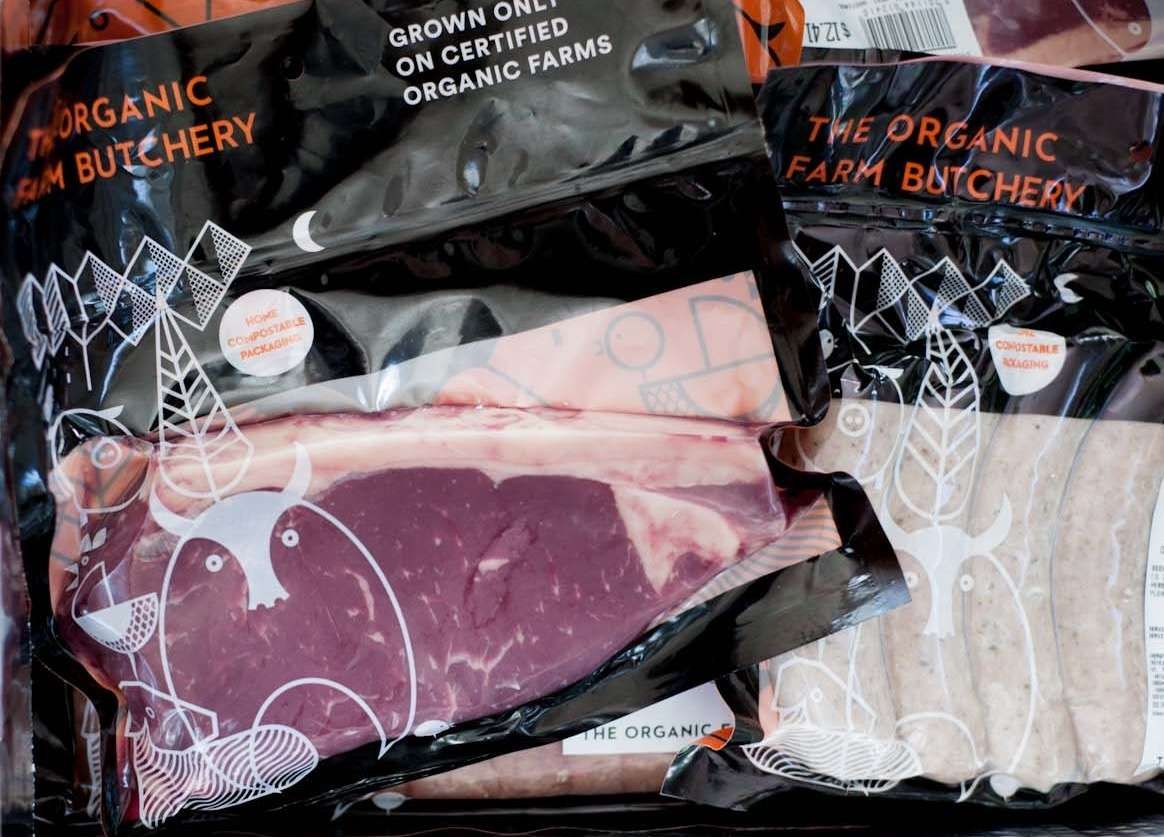
The Organic Farm Butchery is a Hawke’s Bay based butcher and meat supplier that sells organic-sourced beef, lamb and pork from farms around New Zealand.
They are not a farm themselves.
They are a sourcing and processing business that connects certified organic farms to consumers.
That distinction matters because the organic claim comes from the farms raising the animals, not from the retail shop doing the cutting.
Products are sold from their Hastings shop, through retailers, and via nationwide delivery.
Where The Meat Comes From
The animals come from a network of independently certified organic farms located across the North Island.
These farms raise livestock on pasture rather than feedlots, using rotational grazing and mixed species pasture to support soil fertility and animal health.
Examples of supplying farms include:
- Ti Kouka Farm — Waimarama
- Tauroa Farm — Havelock North
- Bio Farm — Palmerston North
- Sargison Farm — Dannevirke
- Paringa — Dannevirke
- Ratahi Farm — Bulls
- Sentry Hill — Waipukurau
- Bairnsdale — Puketitiri
- North Egmont Pork — New Plymouth
These farms hold independent organic certification and operate without synthetic pesticides, herbicides or GM feed inputs.
How Their Organic Claim Works
The animals are raised under organic certification.
The butcher shop itself is not certified organic processing.
So the label reflects organic origin, not full end-to-end organic handling.
This is common in meat supply chains because most abattoirs and processing plants are multi-use facilities and not exclusively organic.
What matters is that the livestock production stage is certified and traceable back to approved farms.
What Makes This Different From Conventional Meat
Organic pasture-raised livestock systems typically involve:
- No routine antibiotic use for growth promotion
- No synthetic agrichemical pasture sprays
- No GMO feed
- Lower stocking density
- Slower growth rates
The focus is on soil health → pasture quality → animal health rather than feed efficiency.
This produces a different farming model rather than simply a different finishing diet.
Why They Use Multiple Farms
A single organic farm cannot reliably supply year-round meat volume.
Using a network:
- spreads weather risk
- avoids seasonal shortages
- keeps animals pasture-raised rather than grain-finished
- allows consistent retail availability
This is typical for organic meat distribution in a small national market like New Zealand.
Strengths of This Model
✔ Traceable livestock origins
✔ Supports multiple organic farmers
✔ Makes organic meat more widely available
✔ Reduces reliance on imported organic meat
Limitations To Understand
• Processing stage not organic certified
• Supply varies seasonally
• Different farms may produce slightly different eating qualities
• “Organic” refers to farming method, not necessarily ageing or breed
Practical Takeaway
This is essentially a bridge between farms and consumers.
The integrity of the product comes from the farms raising the animals, while the butcher’s role is sourcing, cutting and distributing.
So when buying from them you are choosing a certified organic farming system, even though the retail shop itself is not an organic-certified facility.