The Best Strawberry of My Life. It Was ORGANIC.
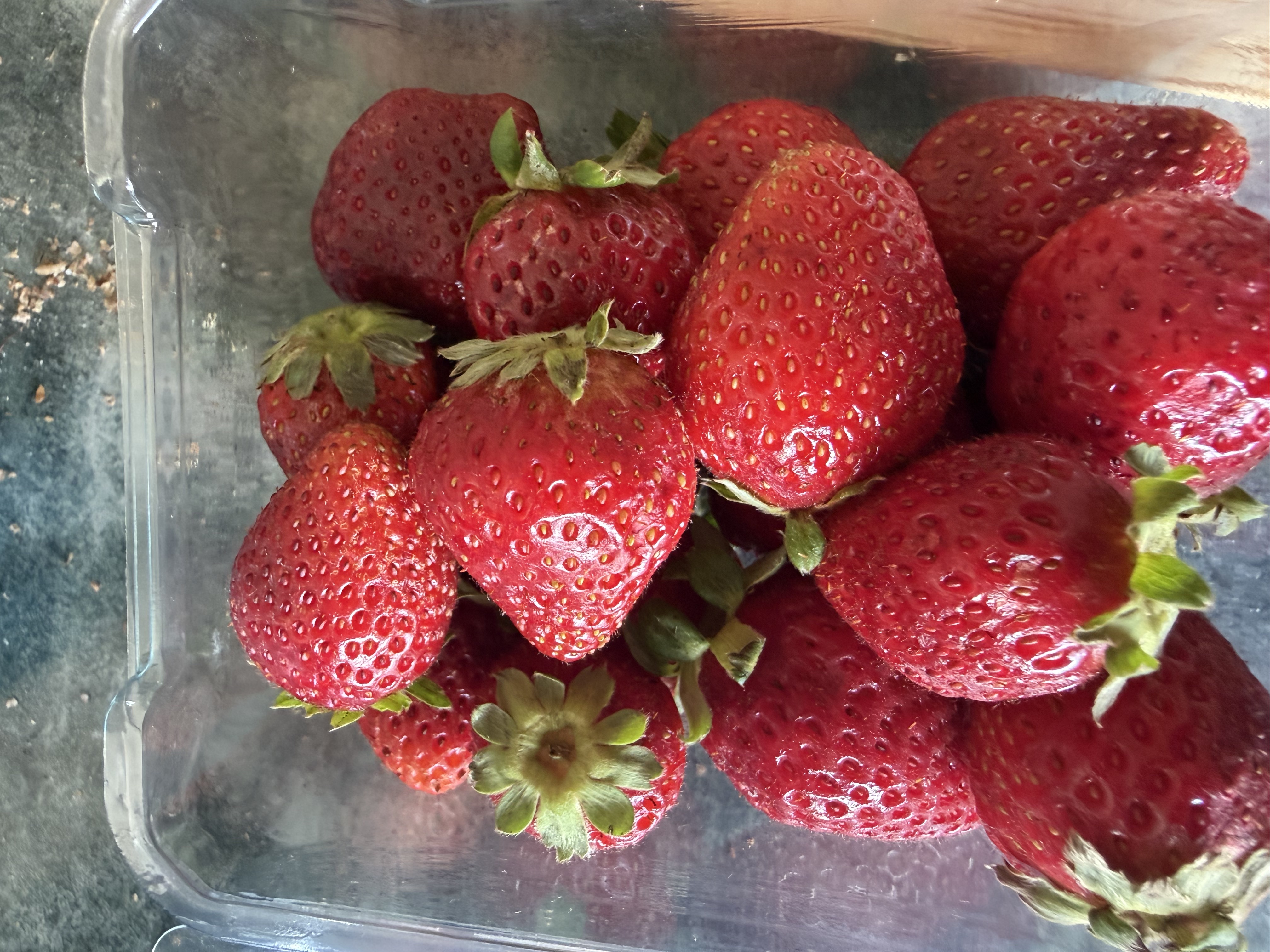
At Christmas I ate the best strawberry of my life. Grown organically by Peter Robson, these berries are soft, fragrant, deeply sweet, and gone almost as soon as they hit the shelf. Once you taste them, ordinary strawberries feel like a watered-down imitation.
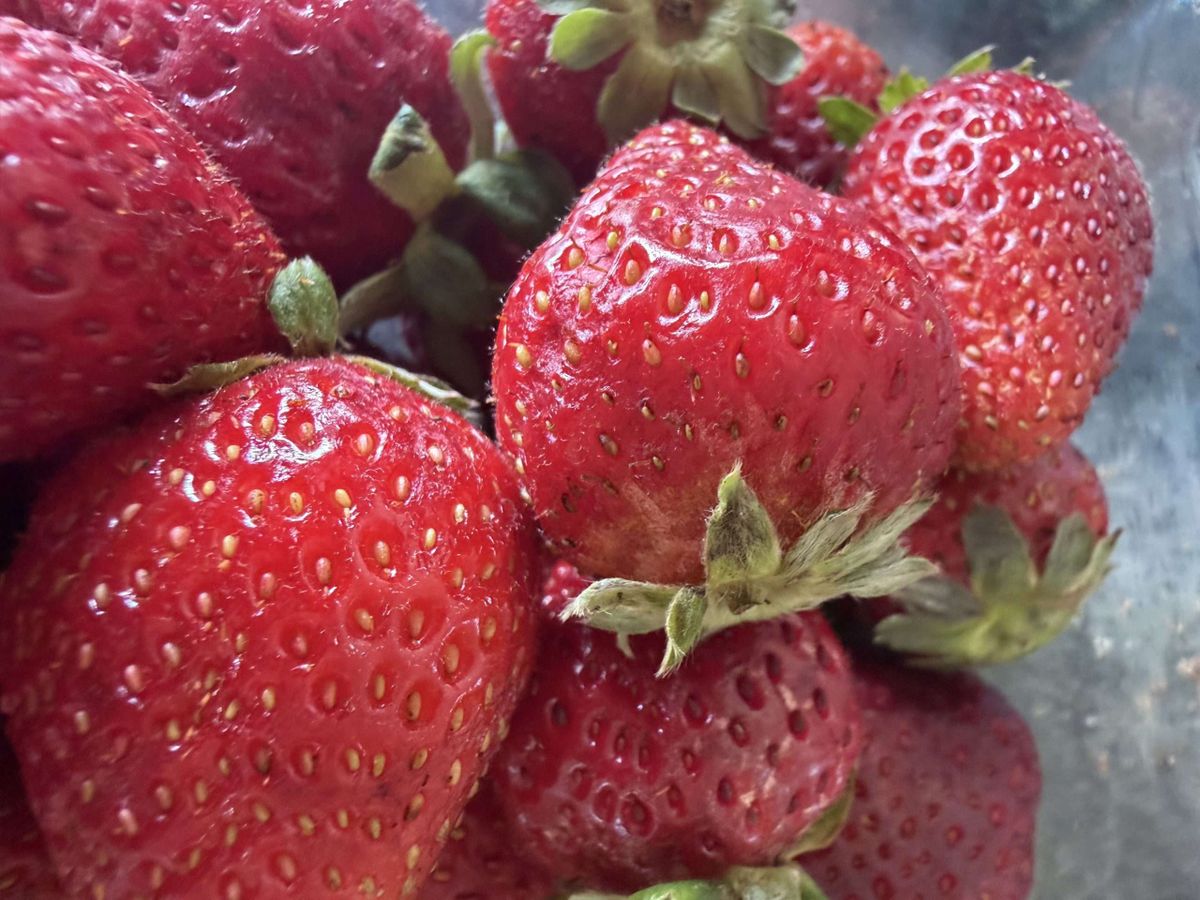
Peter Robson — Common Property, Te Horo
At Christmas I ate the best strawberry of my life.
Not “good for organic.”
Not “pretty decent.”
The best. Ever.
The first time I tried them was from Commonsense Organics in Mt Eden. I went back the following week to buy more.
They were gone.
I asked where they were.
The answer:
“We can’t keep up. As soon as they hit the shelves, they sell out.”
It’s about timing. They arrive. They go out. They’re gone again.
That alone tells you something.
Who Grows Them?
These strawberries are grown by Peter Robson at Common Property, a certified organic farm in Te Horo, on the Kāpiti Coast of New Zealand.
Common Property is a long-standing organic farm where individual growers operate under certification. Peter is known there as the berry specialist.
He supplies:
- Commonsense Organics
- live2give Organics
- Select independent organic retailers
The fruit is seasonal, delicate, and not grown for export-scale logistics. It is grown to be eaten fresh.
What Does He Do Differently?
Growing strawberries organically is harder.
Strawberries are vulnerable to fungal disease, insect pressure, and soil-borne pathogens. Conventional systems often rely on:
- Synthetic fungicides
- Insecticides
- Herbicides
- Soil fumigants
- Miticides
In conventional systems, chemicals are used to manage pests and disease efficiently at scale. When these products are applied, growers must observe a withholding period.
What is a withholding period?
A withholding period is the required number of days between spraying a chemical and harvesting the crop. It exists to allow residue levels to fall below legally permitted Maximum Residue Limits (MRLs).
In other words, the fruit cannot be harvested until enough time has passed for residues to decline to “acceptable” levels under regulatory standards.
That system is considered safe by regulators when used correctly. But it does mean chemicals are part of the production model.
Peter farms differently.
Instead of relying on synthetic insecticides for caterpillar control, he has spoken about using pheromone disruption systems. These release specific pheromones into the field that confuse male moths, interrupt breeding cycles, and reduce caterpillar populations — without broad-spectrum sprays.
Organic growing requires:
- More observation
- More manual intervention
- Lower yields
- Higher risk
It is not hands-off farming. It is high-attention farming.
Why Do They Taste So Different?
Flavour is not accidental.
Several factors likely contribute:
1. Soil Health
Organic systems prioritise soil biology. Living soil ecosystems influence nutrient uptake and plant resilience.
2. Ripeness at Harvest
Fruit harvested closer to full ripeness develops more complex aromatic compounds. Many commercial strawberries are picked earlier to withstand transport.
3. Variety and Selection
Smaller growers can prioritise taste over shipping durability and uniformity.
4. Supply Chain Length
Shorter supply chains mean less refrigeration time and less storage degradation.
The result?
You smell them before you bite.
They’re soft, not rubber-firm.
They carry sweetness and acidity together.
The flavour lingers.
After that experience, conventional strawberries feel diluted.
The Price Question
Around $10 per punnet sounds expensive.
Until you taste them.
When I shared them with others, the reaction was the same: silence, then disbelief.
One punnet created more genuine enjoyment than multiple supermarket punnets ever have.
You’re not paying for volume.
You’re paying for intensity.
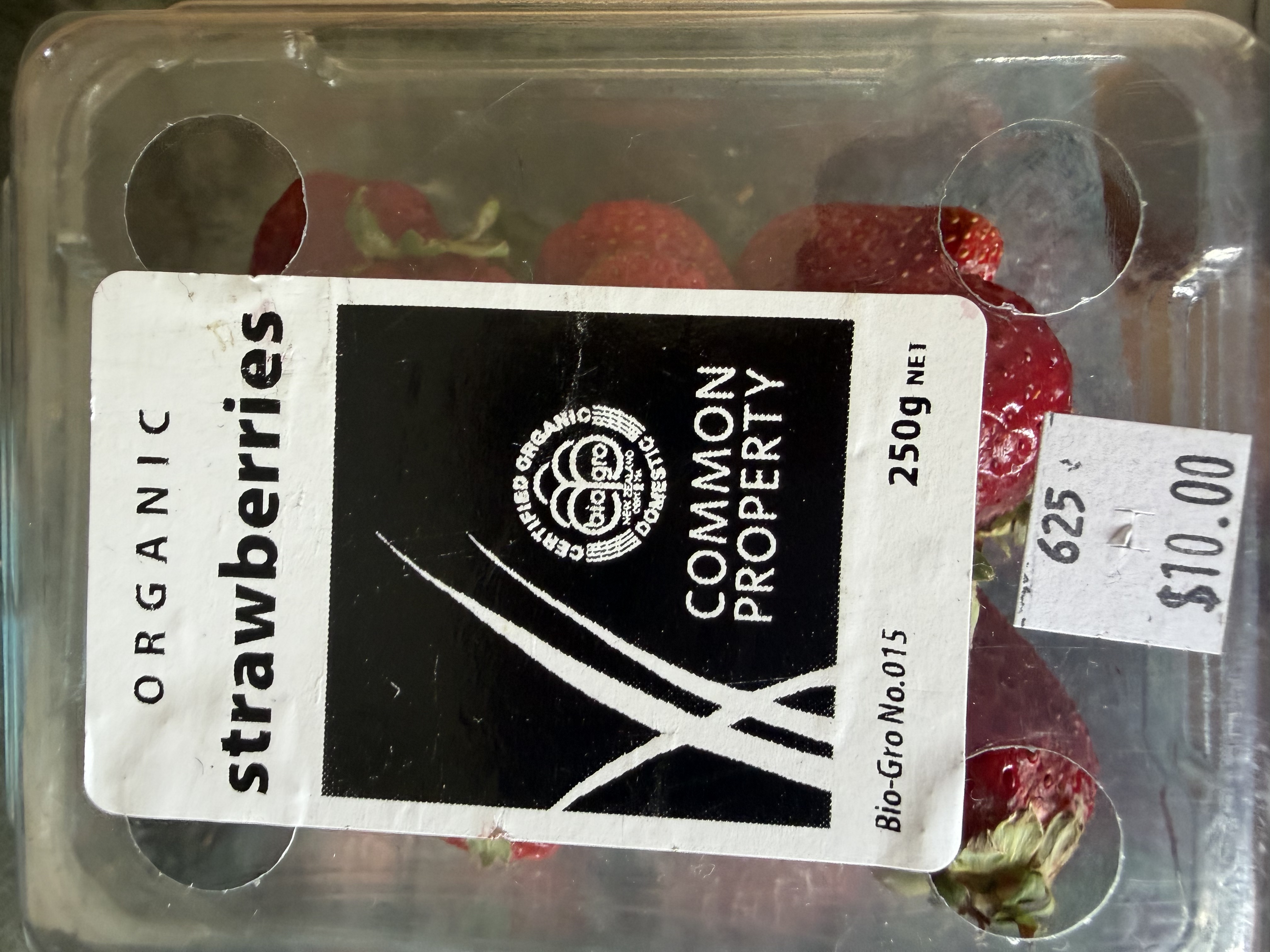
Availability
These strawberries are seasonal and limited.
If you want them, you need timing.
They arrive.
They hit the shelf.
They sell out.
There is no warehouse of backup stock.
And maybe that’s the point.
Why This Matters
Food can shift behaviour.
Not through argument.
Through experience.
A strawberry that recalibrates your expectations might be the most persuasive organic argument you’ll ever encounter.
There is no going back once you know what is possible.