Macro: The Organic Brand That Became a Supermarket Strategy
Macro started as an organic-focused brand but was absorbed into supermarket private-label strategy. What began as a niche around natural and organic foods became a way for big retailers to meet demand while controlling more of the grocery shelf space.
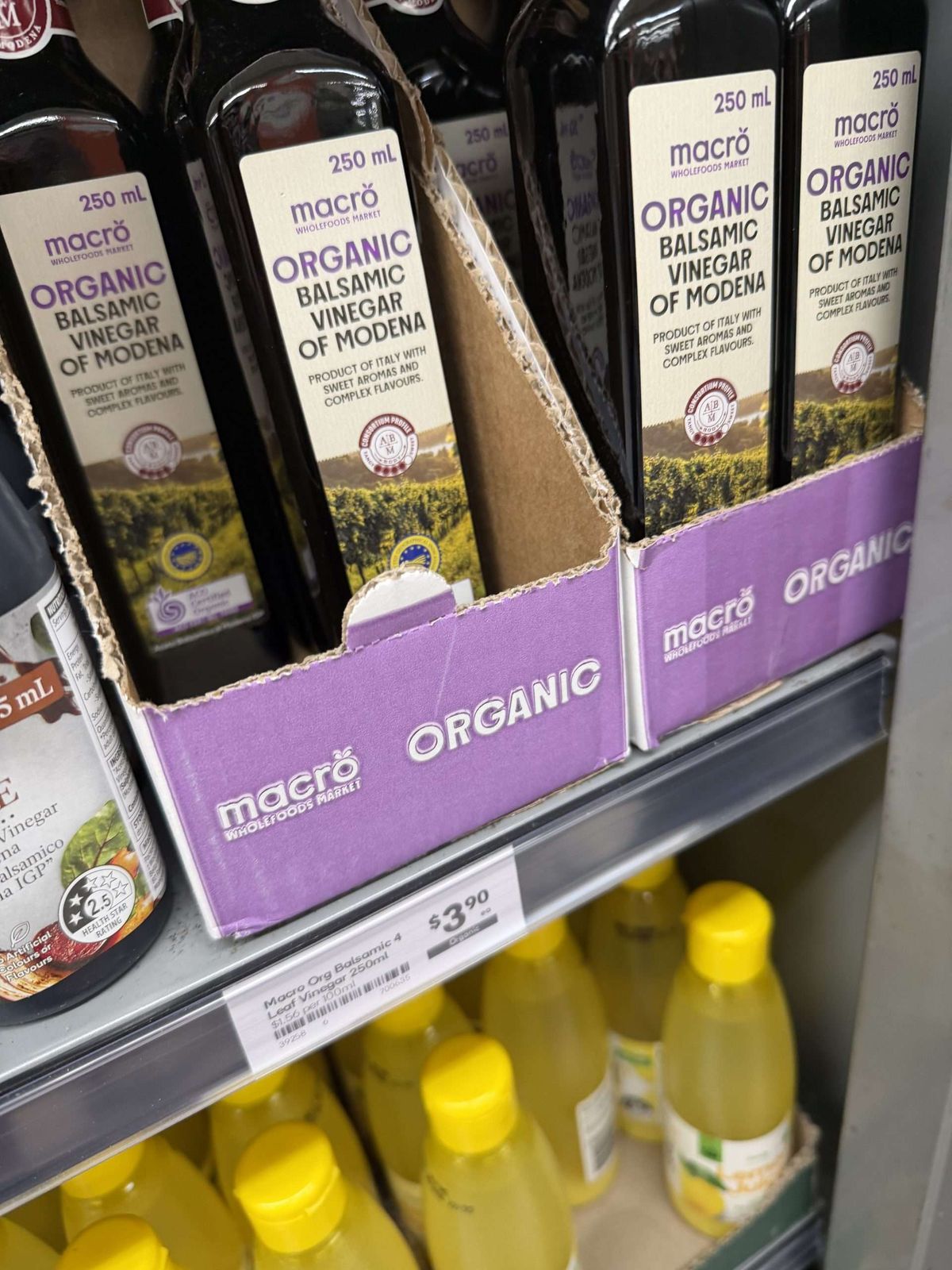
Walk into Woolworths and you’ll see it everywhere.
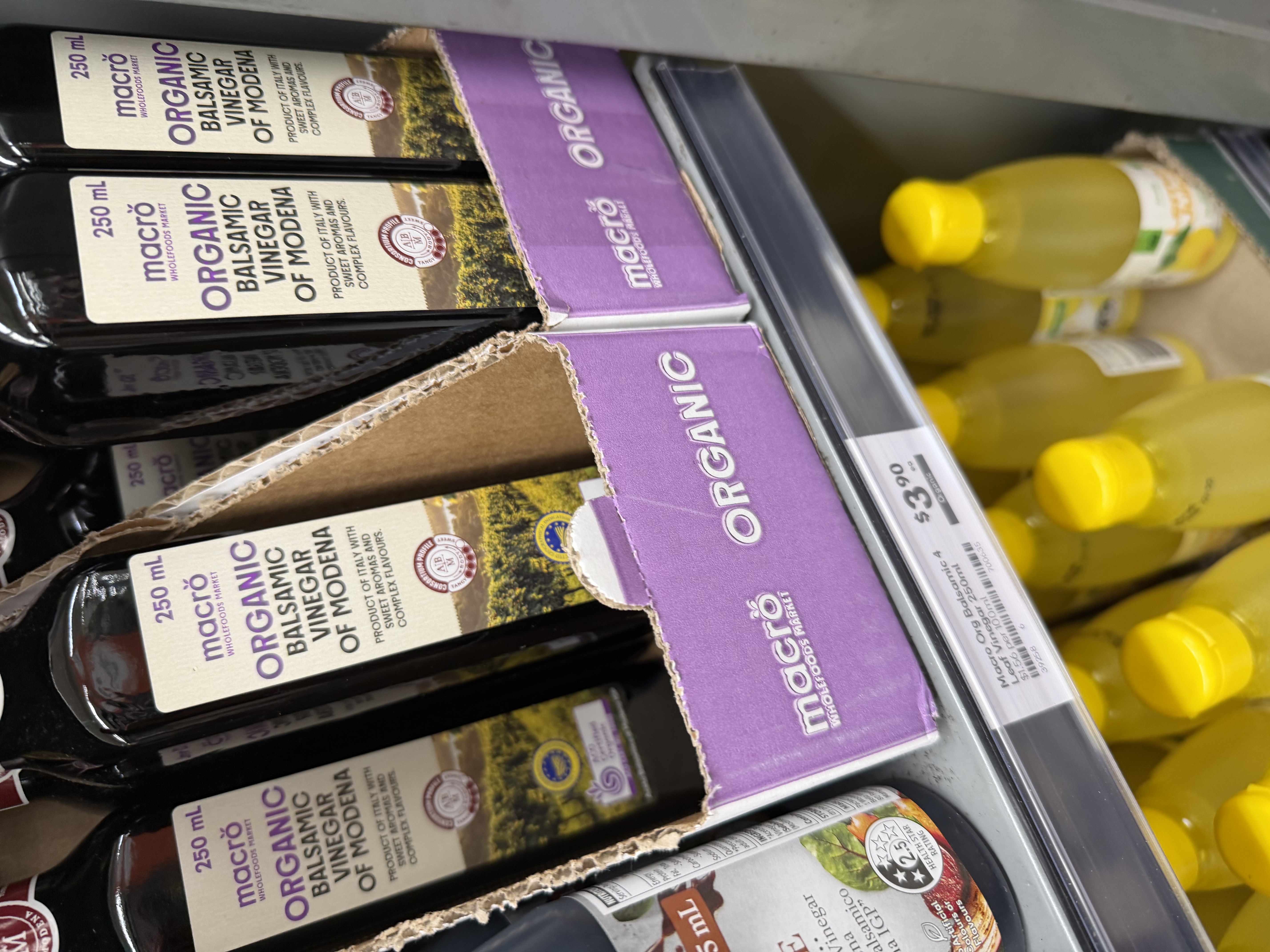
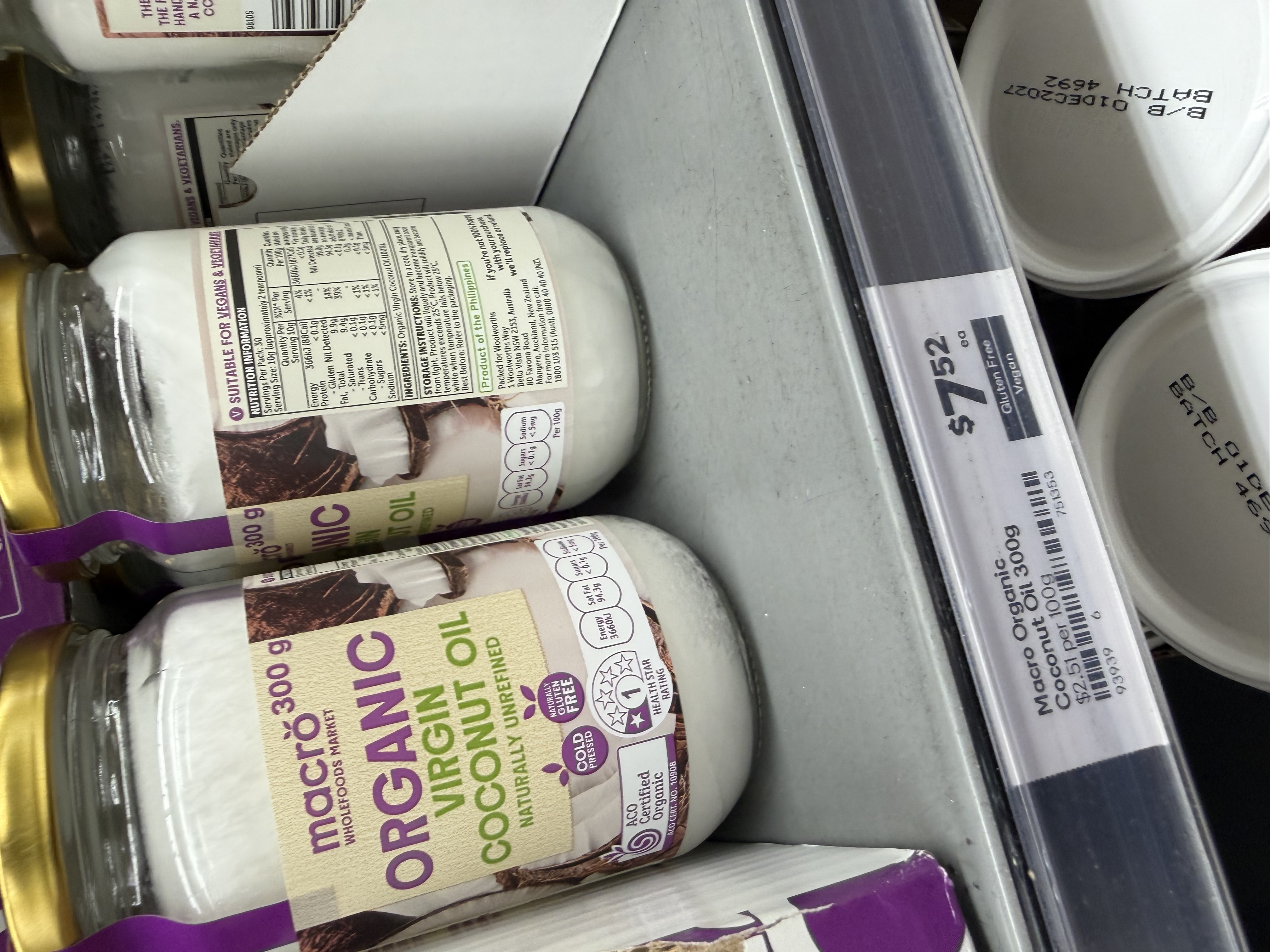
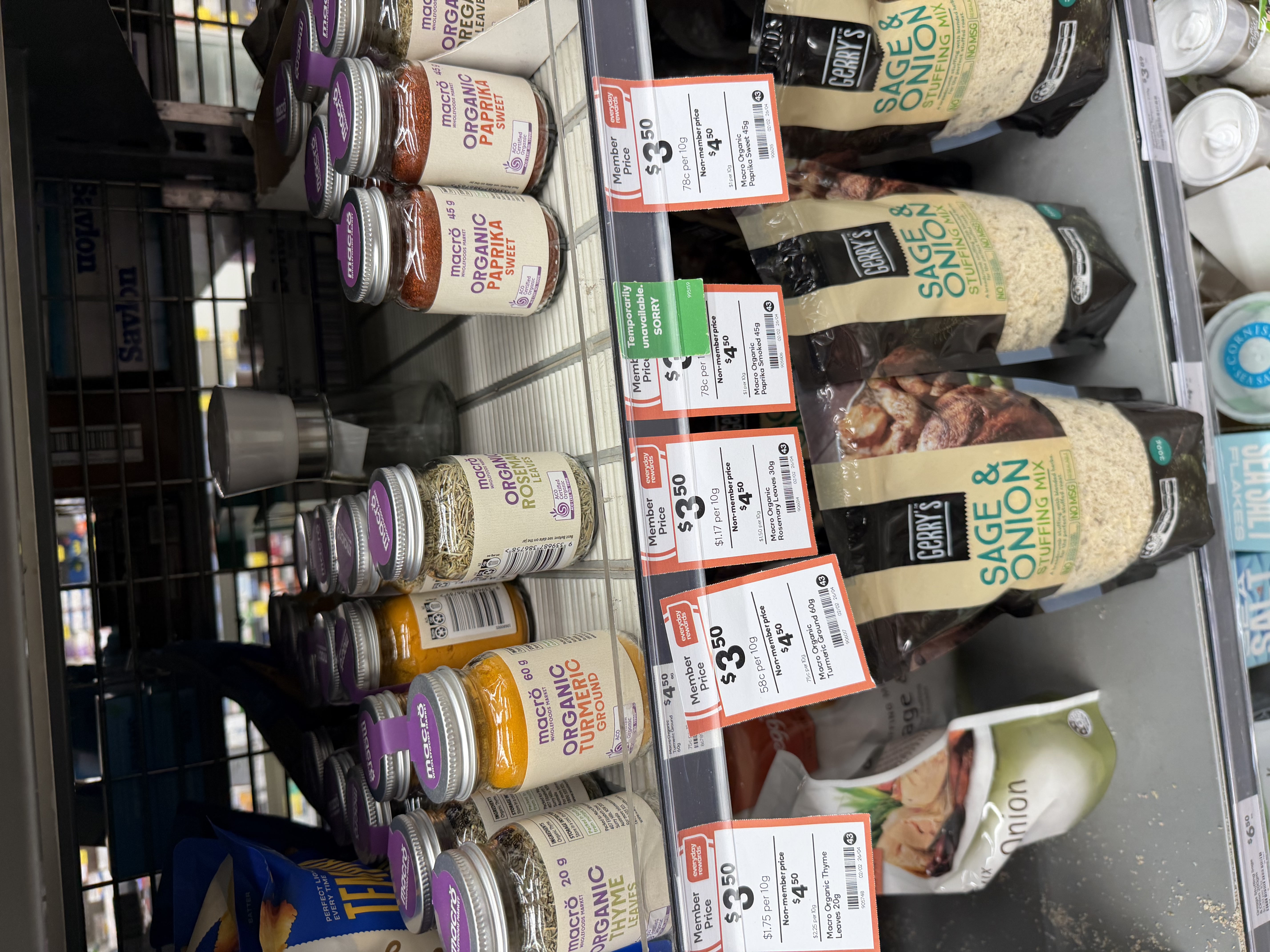
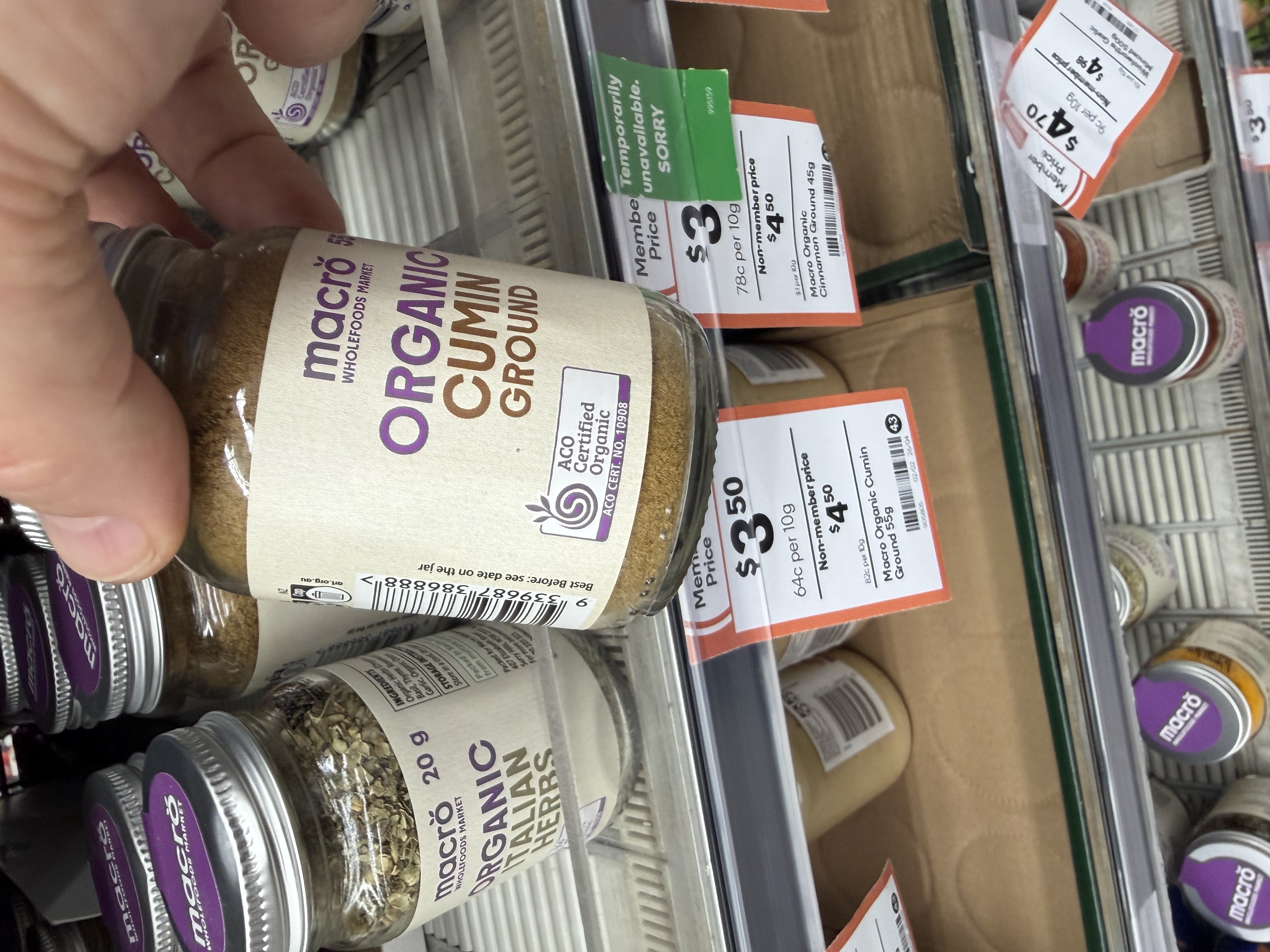
Glass jars. Clean labels. Soft earthy colours.
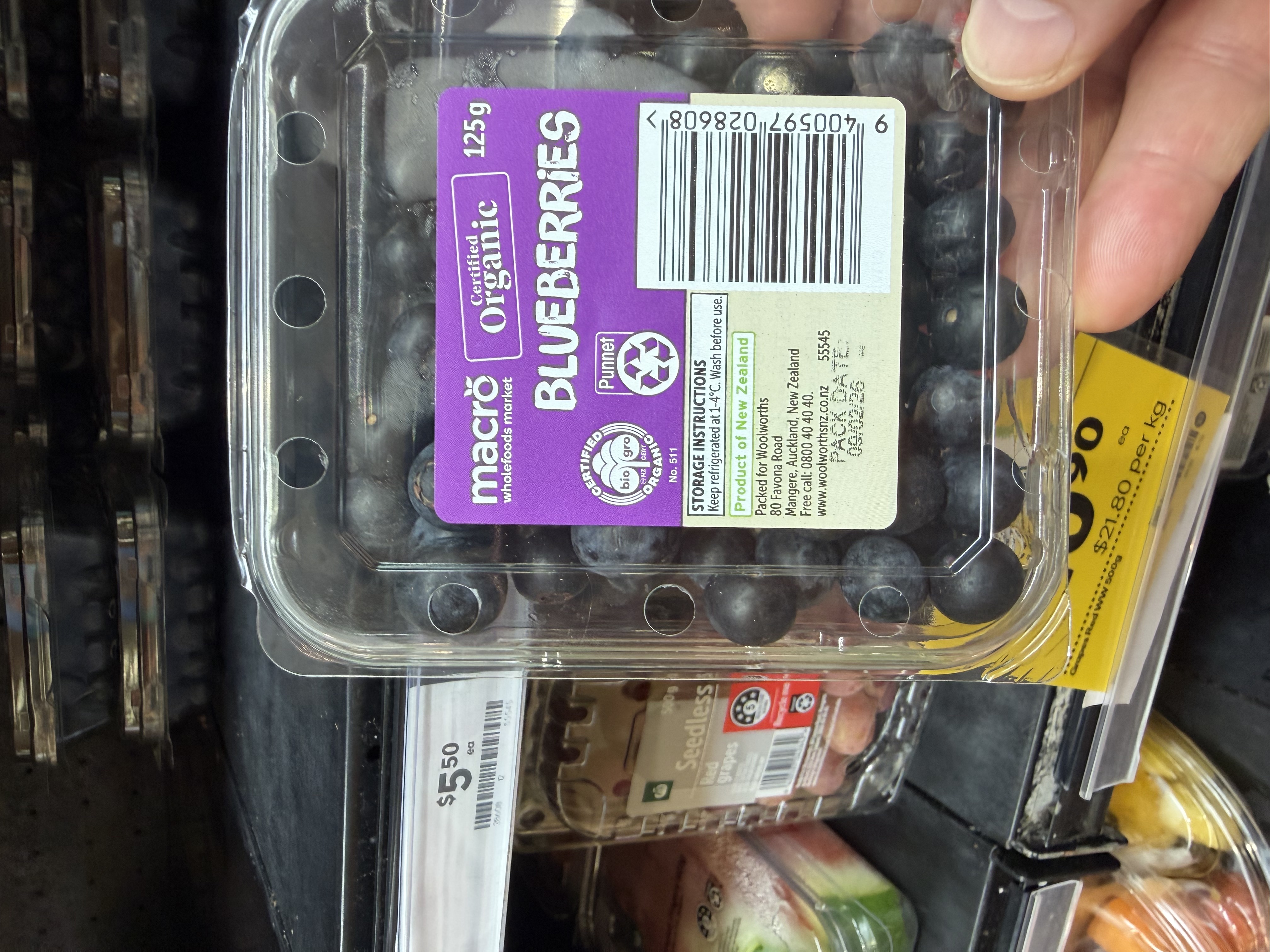
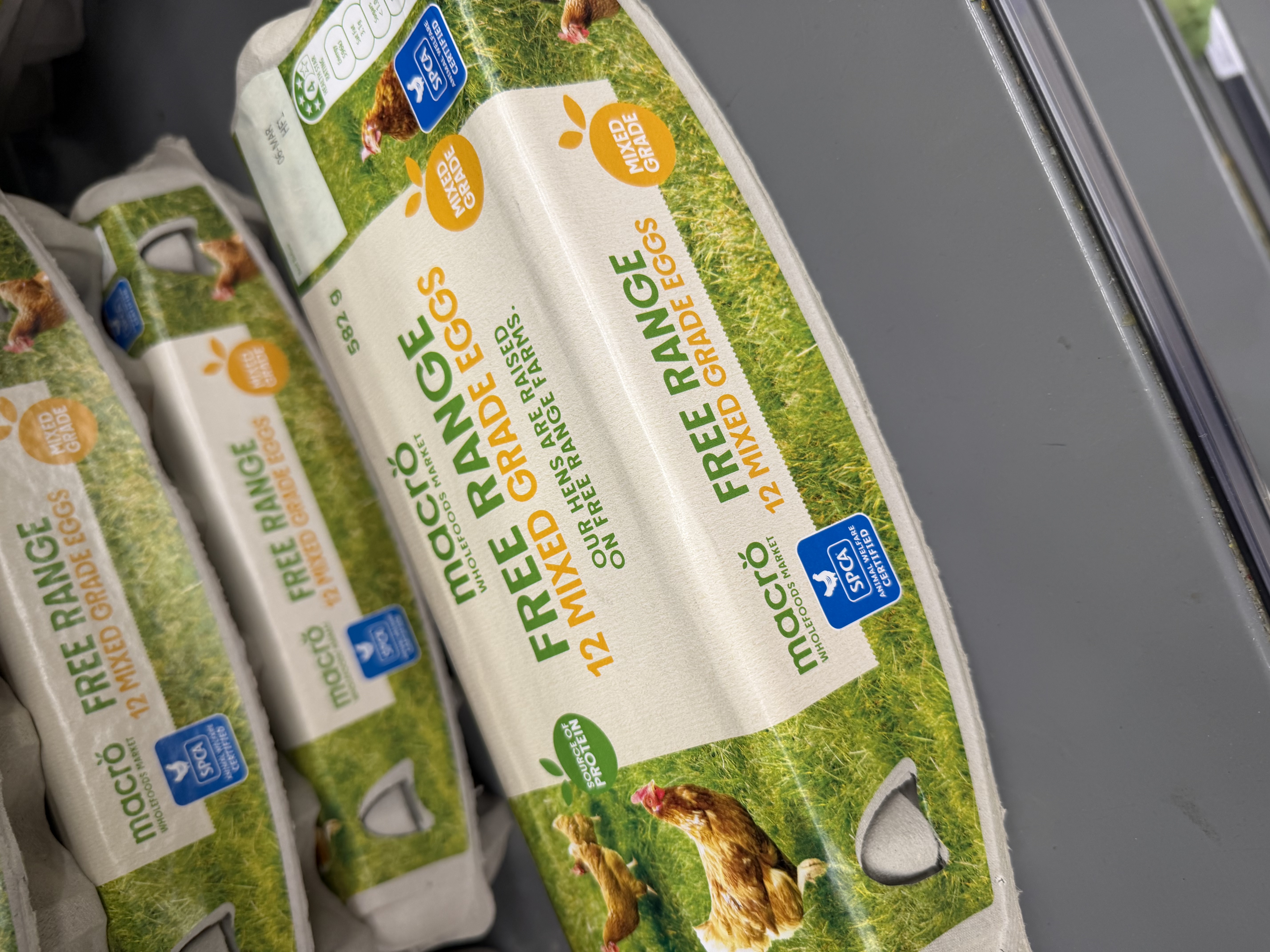
Olive oil from Spain. Spices from India. Blueberries from New Zealand. Free-range eggs.
All under one name:
Macro
It looks like a food brand.
It sounds like a food philosophy.
But Macro is something different.
Where Macro Actually Came From
Macro did not begin as a supermarket product.
It started in 1983 as Macro Wholefoods Market, a small Australian organic grocery chain built around the early natural-food movement. Long before organics were trendy, these stores focused on:
• minimally processed food
• whole ingredients
• natural sourcing
• affordable health food
They operated neighbourhood-style organic shops across Sydney and Melbourne suburbs. The idea was simple: real food, sold by people who believed in it.
For over two decades Macro built trust the slow way — customer by customer.
The Moment Everything Changed
By the late 2000s supermarkets noticed something:
Customers were leaving.
Farmers markets were growing.
Organic stores were growing.
People were willing to shop outside the supermarket for food they trusted.
So in 2009 Woolworths bought Macro Wholefoods Market.
Not to run organic grocery stores.
To scale the idea of organic grocery stores.
Instead of competing with the movement, they absorbed it.
Macro stores disappeared.
Macro products appeared.
What Macro Is Today
Macro is now a private label brand owned by Woolworths.
That means the supermarket controls:
• the sourcing
• the branding
• the pricing
• the shelf space
Macro products come from many suppliers across multiple countries.
Each product is sourced wherever Woolworths can obtain consistent certified supply at scale.
Not one farm.
Not one region.
Not one production philosophy.
A single brand wrapped around hundreds of independent supply chains.
Why It’s So Cheap
Traditional organic food travels through several layers:
Farmer → processor → brand → distributor → retailer
Each layer needs a margin.
Macro removes most of them:
Supplier → Woolworths → shelf
Because the supermarket is also the brand, it can sell organic-positioned food at prices independent stores struggle to match.
Macro isn’t priced like a specialty product.
It’s priced like a loyalty strategy.
What The Brand Is Really Selling
Macro doesn’t promise locality.
It doesn’t promise small scale.
It doesn’t promise a relationship with a producer.
It promises something else:
reassurance
You can stay in the supermarket
and still feel like you chose carefully
That is the role Macro plays.
The Ownership Layer Most People Never See
Woolworths itself is not a family grocer.
It is a publicly traded corporation largely owned by global investment funds including:
• State Street
• BlackRock
• Vanguard
• sovereign pension funds
So the chain looks like this:
Independent organic grocer (1983)
→ Supermarket acquisition (2009)
→ Private label global sourcing
→ Owned by international financial funds
The farm aesthetic sits on top of a financial infrastructure.
Why This Matters
Macro isn’t fake.
Many products meet certification standards.
Some are genuinely organic.
But it changed something important.
Organic food used to communicate how food was produced.
Macro communicates how food feels to buy.
It turned a production philosophy into a retail category.
The Takeaway
Macro didn’t replace organic food.
It normalised a supermarket version of it.
For many people it’s a useful stepping stone toward better ingredients.
For others it blurs the difference between global supply and local production.
Neither good nor bad on its own.
But understanding the difference lets you choose intentionally.
Because today, more than ever:
the label tells you less than the system behind it.