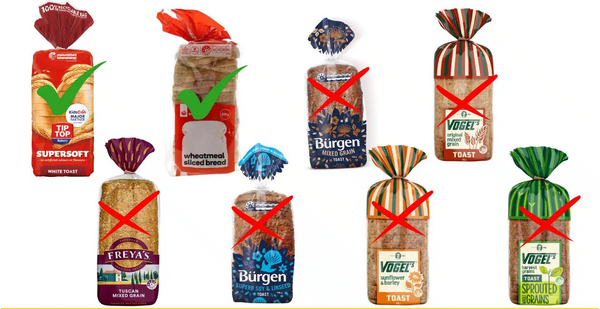
Is “Gluten Intolerance” Really About Gluten… or Something Else?
Gluten often gets blamed for digestive issues, but some questions point elsewhere. Modern wheat may carry residues such as glyphosate used before harvest, along with other processing changes. For some people, the problem may not be gluten alone, but the broader system around it.
Over the last few decades, gluten intolerance has gone from obscure medical diagnosis to everyday experience. Bread causes bloating. Pasta feels heavy. Wheat takes the blame.
But there’s a quieter question worth asking:
What if gluten isn’t the real problem, or at least not the only one?
A growing number of researchers and clinicians have pointed to another variable in modern grain production: glyphosate, the world’s most widely used herbicide, best known as the active ingredient in Roundup.
This isn’t a fringe idea, but it is controversial. And it deserves to be approached carefully.
What’s the glyphosate connection?
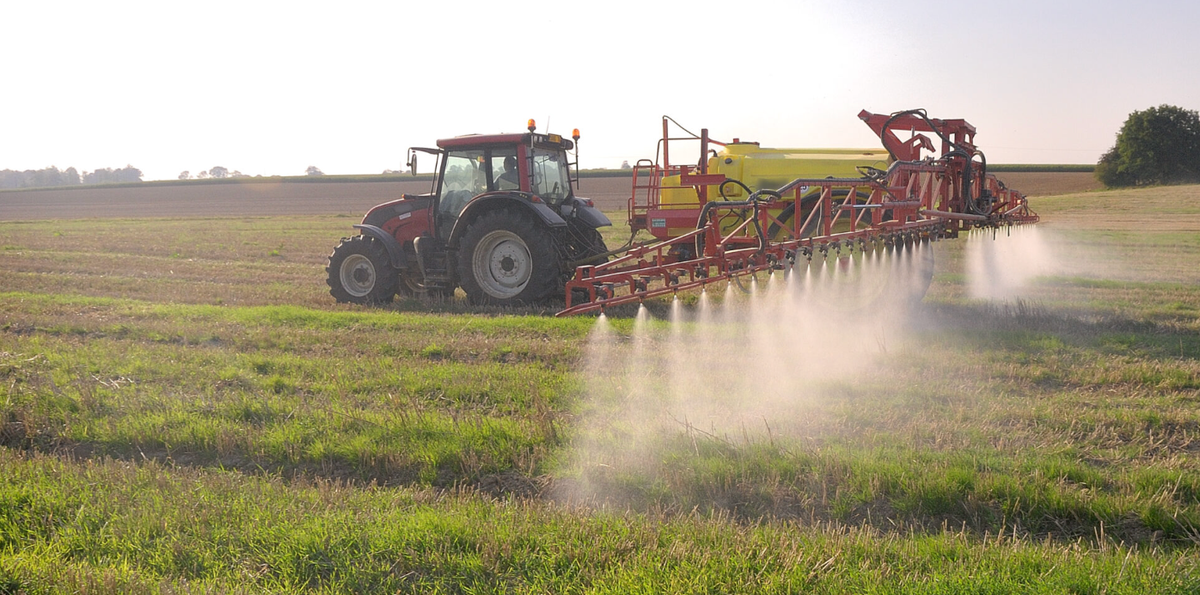
In many countries, glyphosate isn’t only used for weed control. It’s also sprayed on wheat and other grains just before harvest to dry the crop evenly. This practice, called pre-harvest desiccation, can increase residue levels on finished grain.
The concern isn’t acute toxicity. It’s chronic, low-dose exposure over time, particularly its potential effects on the gut.
Glyphosate works by disrupting the shikimate pathway, a metabolic pathway plants rely on. Humans don’t have this pathway, but many gut bacteria do.
That’s where the hypothesis begins.
The mainstream position
Regulatory bodies such as the EPA, EFSA, and WHO maintain that glyphosate is safe when used as directed. Their conclusions are based on toxicology studies, residue limits, and exposure models that include large safety margins.
From this perspective:
- Rising gluten intolerance is attributed to better diagnosis and awareness
- Celiac disease still requires genetic susceptibility plus gluten exposure
- Glyphosate residues in food are considered too low to pose a health risk
This position matters and shouldn’t be dismissed lightly.
Where questions remain
Some researchers argue that standard safety testing may miss subtler effects, particularly on the gut microbiome.
Laboratory and animal studies suggest glyphosate may:
- Reduce beneficial bacteria such as Lactobacillus and Bifidobacterium
- Alter microbial populations involved in gluten breakdown
- Contribute to low-grade inflammation or gut permeability
These findings don’t prove causation in humans. But they establish biological plausibility, especially for people with existing vulnerabilities.
The Europe–North America wheat paradox
Many people report that they tolerate wheat products in parts of Europe but not at home.
One notable difference: several European countries restrict or avoid pre-harvest glyphosate use, while it remains common in North America.
This isn’t proof. But it’s a pattern that raises reasonable questions.
So… is glyphosate the cause?
No single cause has been established.
Current evidence suggests glyphosate could be one contributing factor among several, interacting with genetics, diet, microbiome health, and modern food processing. On its own, it doesn’t explain the rise in gluten intolerance. In combination, it remains a credible but unproven piece of the puzzle.
Gluten intolerance appears to be multifactorial, influenced by:
- Highly processed food
- Antibiotic exposure
- Reduced microbial diversity
- Modern wheat breeding
- Lifestyle and stress
Glyphosate, if involved, is best understood as a potential modifier, not a sole cause.
What this means in practice
This isn’t a call for panic or purity. It’s a call for discernment.
For some people, low-risk experiments may be informative:
- Choosing organic or low-input grains
- Avoiding wheat treated with pre-harvest desiccants
- Paying attention to personal response rather than ideology
More broadly, this discussion highlights a larger issue: modern food systems are optimised for efficiency and uniformity, not biological nuance.
Questioning that isn’t radical.
It’s responsible.