Folic Acid, Bread, and Flour in New Zealand
In NZ many commercial breads and flours are fortified with synthetic folic acid. While intended to prevent deficiency, this added nutrient has sparked debate among some consumers and health advocates who question whether population-wide fortification is necessary or appropriate.
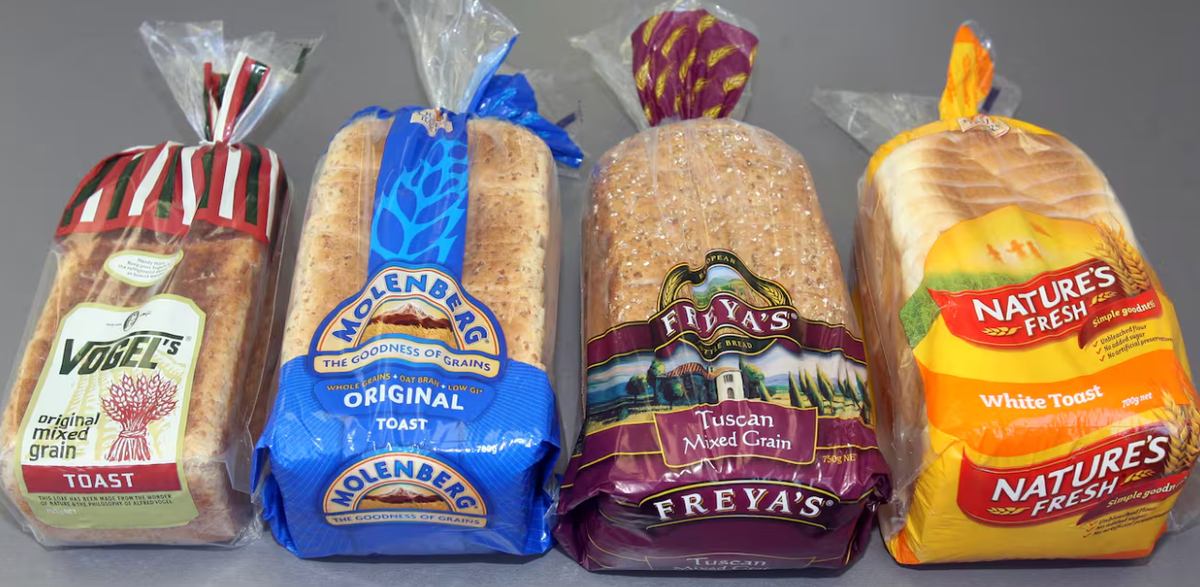
If you’re baking at home or milling your own flour, it’s worth understanding how folic acid fortification works in New Zealand, as the rules differ between commercial bread and flour sold to consumers.
Is folic acid added to bread in New Zealand?
Yes, in most cases.
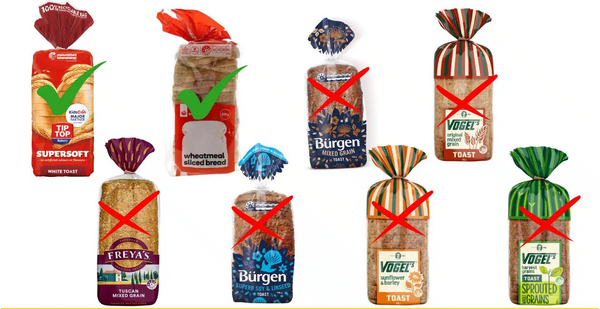
In New Zealand, most commercially made bread is required to be fortified with folic acid. This applies primarily to yeast-leavened bread made using non-organic bread-making wheat flour, whether produced by large manufacturers or bakeries.
The policy is public-health focused and applies at the bread or bakery flour supply level, not at the household level.
Are there exemptions?
Yes. Folic acid does not have to be added to:
- Organic bread
- Flour sold directly to consumers (supermarket flour)
- Bread mixes sold for home baking
- Flatbreads such as wraps, naan, and pita
- Gluten-free bread products
If folic acid is added voluntarily, it must be listed on the ingredient label.
Does supermarket flour contain folic acid?
No, it is not required to.
White flour, wholemeal flour, stoneground flour, and specialty flours sold in supermarkets do not have a mandatory folic acid requirement.
If folic acid has been added, it will appear clearly in the ingredient list. If the ingredients list simply states “wheat” or “wheat flour”, no folic acid has been added.
Organic flour is explicitly exempt from fortification.
What about home-milled grain?
Whole wheat grain sold for milling at home (sometimes labelled as wheat berries, whole grain wheat, or whole dressed wheat) is never fortified.
When you mill grain at home, you’re working only with the naturally occurring folate present in the wheat itself. No enrichment or additives are applied at any stage.
Summary
- Commercial bread: usually fortified with folic acid
- Supermarket flour: no mandatory folic acid
- Organic flour and bread: exempt
- Home-milled grain: unfortified by default
Understanding this distinction helps explain why people who bake at home or mill their own flour often experience bread very differently from standard commercial loaves.