Buying Organic Wheat Grain for Home Milling
Buying organic wheat grain for home milling means checking origin, variety and certification. NZ options can be limited, so look for true organic growers, transparent supply chains and 100% whole grain. Home milling gives fresher flour and full-nutrition grain.
(and why it feels harder than it should be)
When you start looking for wheat grain to mill at home, you quickly discover a naming circus. Same wheat, different costumes. Here’s how it actually breaks down.
The many names for the same thing 🌾
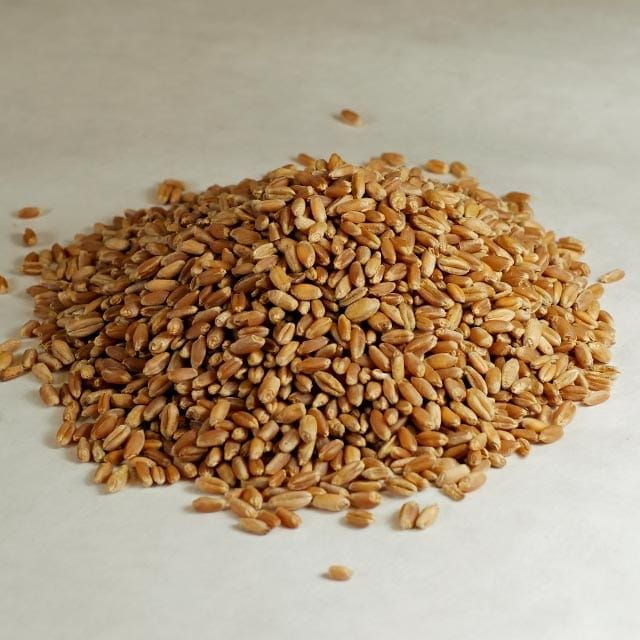
In most retail and wholefood contexts, these terms usually mean the intact wheat kernel, suitable for milling:
- Wheat berries
Common overseas term, especially US and online milling communities. Not berries. No fruit involved. Just whole wheat grain. - Whole wheat
Ambiguous. Can mean whole wheat flour or whole wheat grain. Always check the description or ask. - Whole grain wheat
Generally means intact kernels, but still worth confirming it hasn’t been cracked or rolled. - Raw wheat
Usually means unmilled and untreated, but not a technical term. Ask whether it’s suitable for milling. - Wheat, whole / wheat grain
Often the clearest wording when buying direct from suppliers. - Wheat, whole dressed
This one causes the most confusion.
What does “dressed” mean?
Dressed wheat simply means the grain has been cleaned and prepared after harvest:
- Chaff removed
- Dust, stones, and field debris removed
- Sometimes lightly brushed or screened
It does not mean:
- Polished
- Pearled
- Refined
- Heat-treated
“Whole dressed wheat” is exactly what you want for milling. It’s still a complete grain with bran, germ, and endosperm intact.
If it’s described as pearled, polished, cracked, rolled, or kibbled, that’s not what you want for flour milling.
Why organic wheat grain is often out of stock
Short answer: seasonality + small-scale organic supply.
Longer, honest answer:
- Organic wheat in New Zealand is grown in much smaller volumes than conventional wheat
- Most organic grain is contracted early to mills, bakers, or exporters
- Retail and home-milling demand is a tiny slice of the total crop
- Once the stored grain is gone, it’s gone until the next harvest
So when you see “out of stock” everywhere, it’s not a conspiracy or a sudden wheat shortage. It’s just the reality of a small, seasonal supply chain.
Harvest timing and when new grain appears
In New Zealand, wheat harvest typically runs:
- Late January to March depending on region and weather
What that means in practice:
- Fresh-season grain usually starts appearing late summer to early autumn
- Organic grain may not hit retail channels until weeks or months later, once cleaning, testing, and allocations are done
- By spring, many suppliers are running on fumes or fully out
If you’re buying grain between October and January, scarcity is completely normal.
Practical tips for home millers
- If you find good organic wheat, buy more than you think you need and store it well
- Whole wheat grain stores extremely well when kept:
- Cool
- Dry
- Airtight
- Don’t be afraid to email or call suppliers and ask:
- Is this whole dressed grain?
- Is it suitable for milling into flour?
- When is the next harvest likely to be available?
Anyone selling genuine grain will understand the question immediately.
Bottom line
If it’s:
- Organic
- Whole
- Intact kernels
- Not cracked or pearled
You’re good to go, no matter whether it’s called wheat berries, whole dressed wheat, or whole grain wheat.
And if it’s out of stock right now? That’s not failure. That’s just farming doing its thing